臺灣特色茶國際證照班
臺灣特色茶國際證照班
Certificate for International Certificate Class of Taiwan Specialty Tea
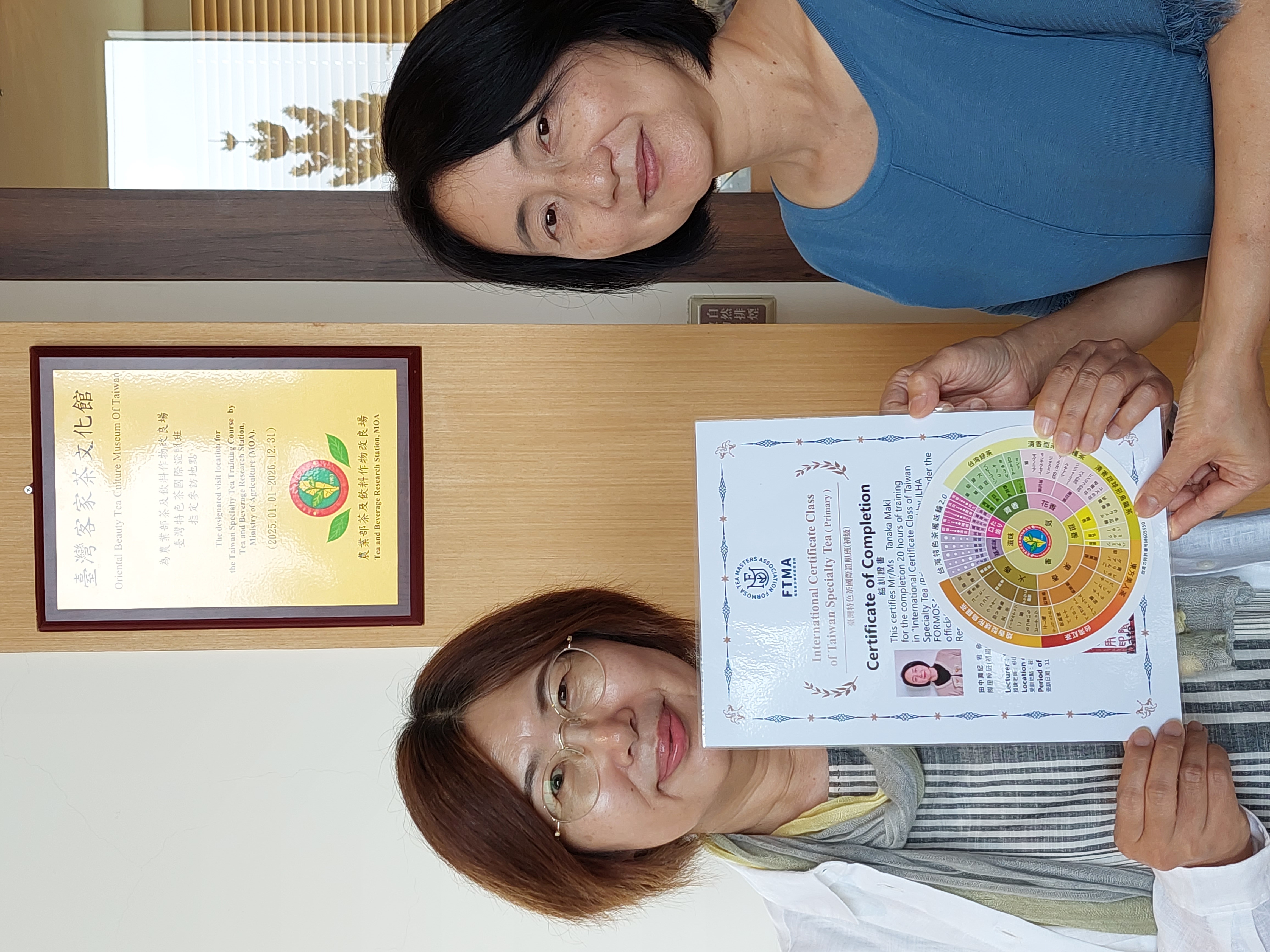
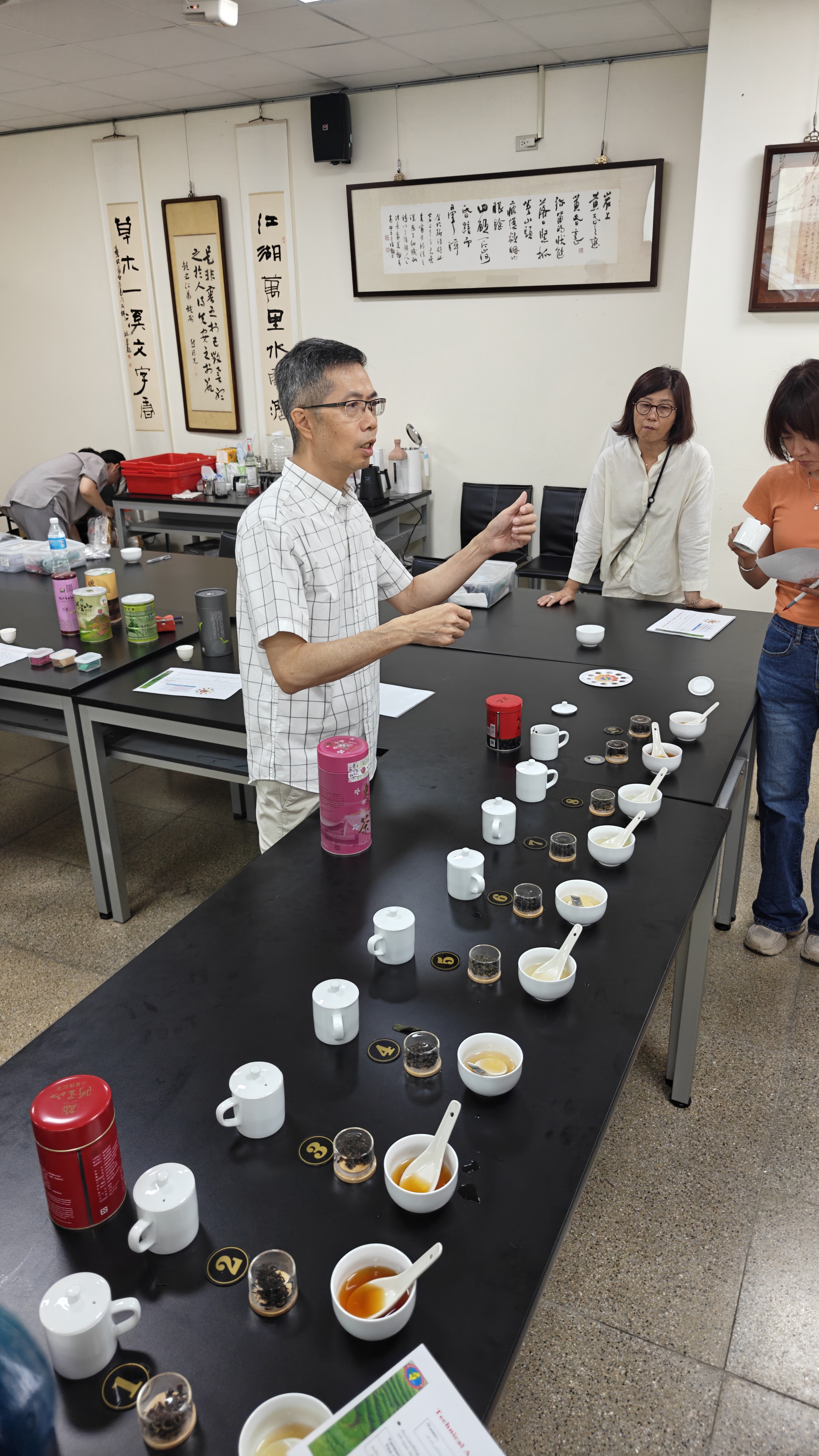 2026-NCHU-39-10486-001
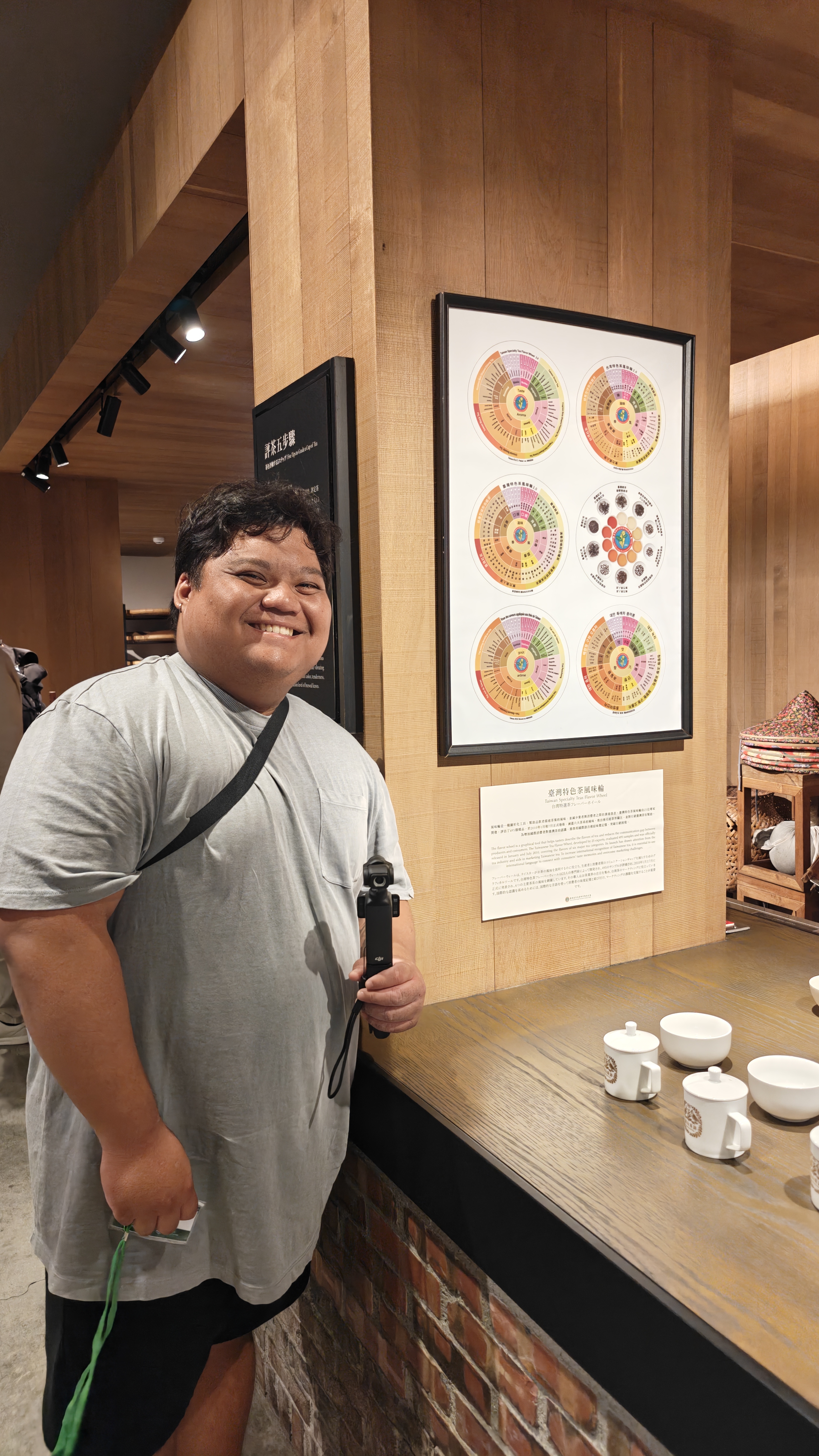 2026-NCHU-39-10486-001
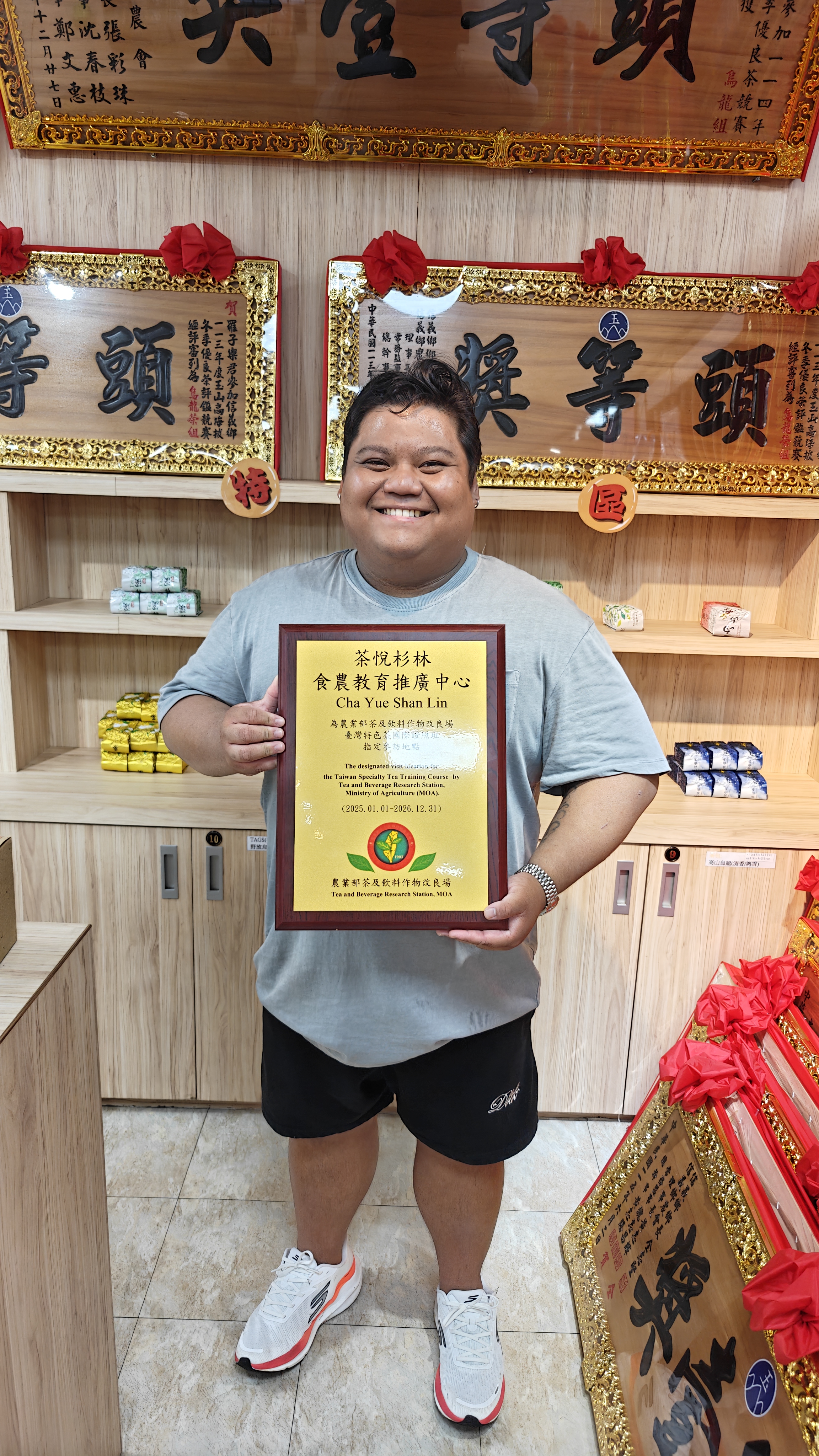 2026-NCHU-39-10486-001
Before this class, I was not really a tea consumer. I did not know the different kinds of tea or how to properly brew it. But with the Tea Certificate class, I was able to form a preference and really start to enjoy and appreciate what tea is about. There was a lot more to tea than I expected. Coming from an agriculture background, the cultivation of tea was really interesting to me and I hope to see more research done on tea around the world. It is not just a popular beverage taking the world by storm but an experience you can share with others.
 2026-NCHU-39-10488-001
 2026-NCHU-39-10488-001
 2026-NCHU-39-10488-001
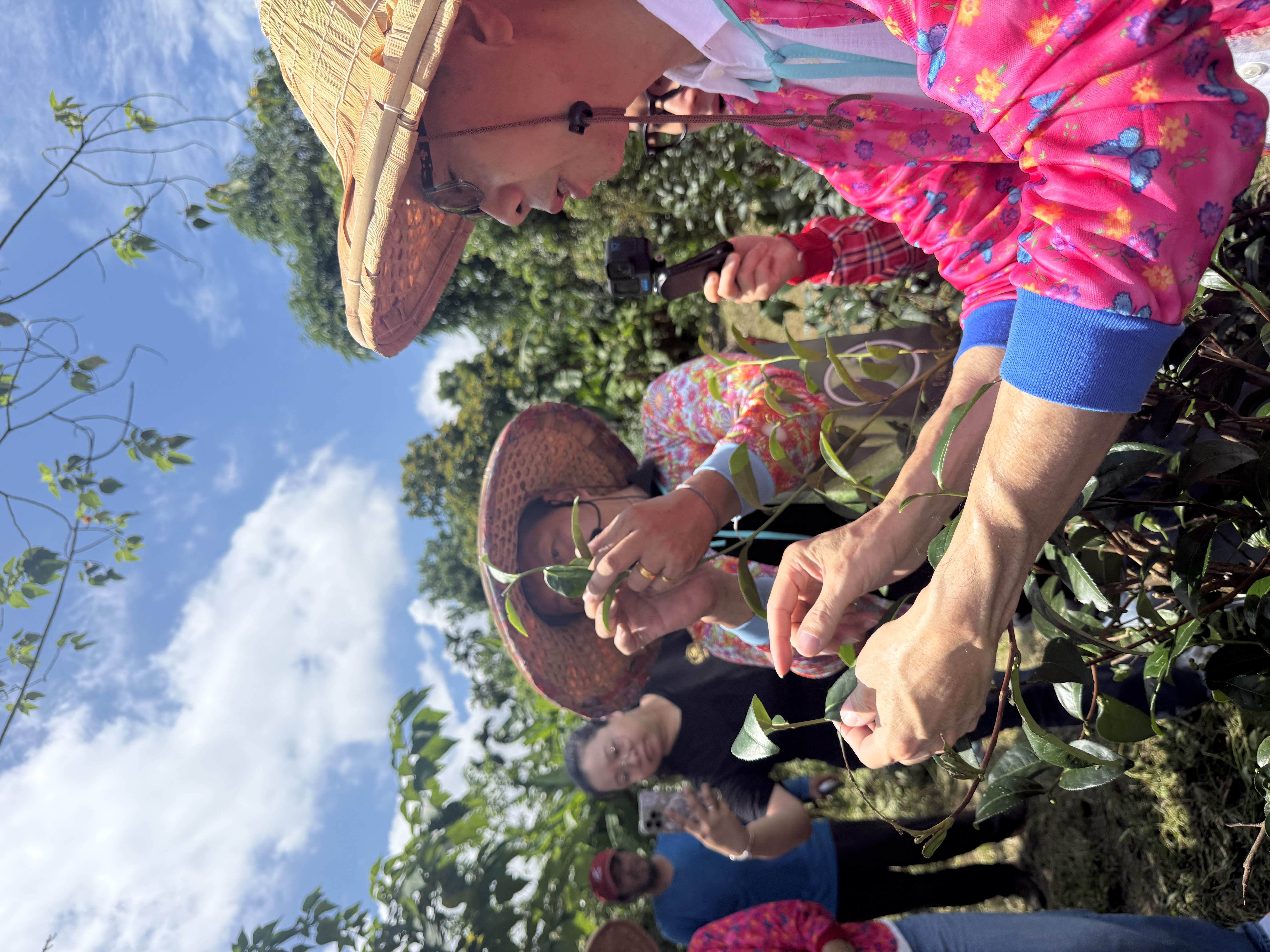
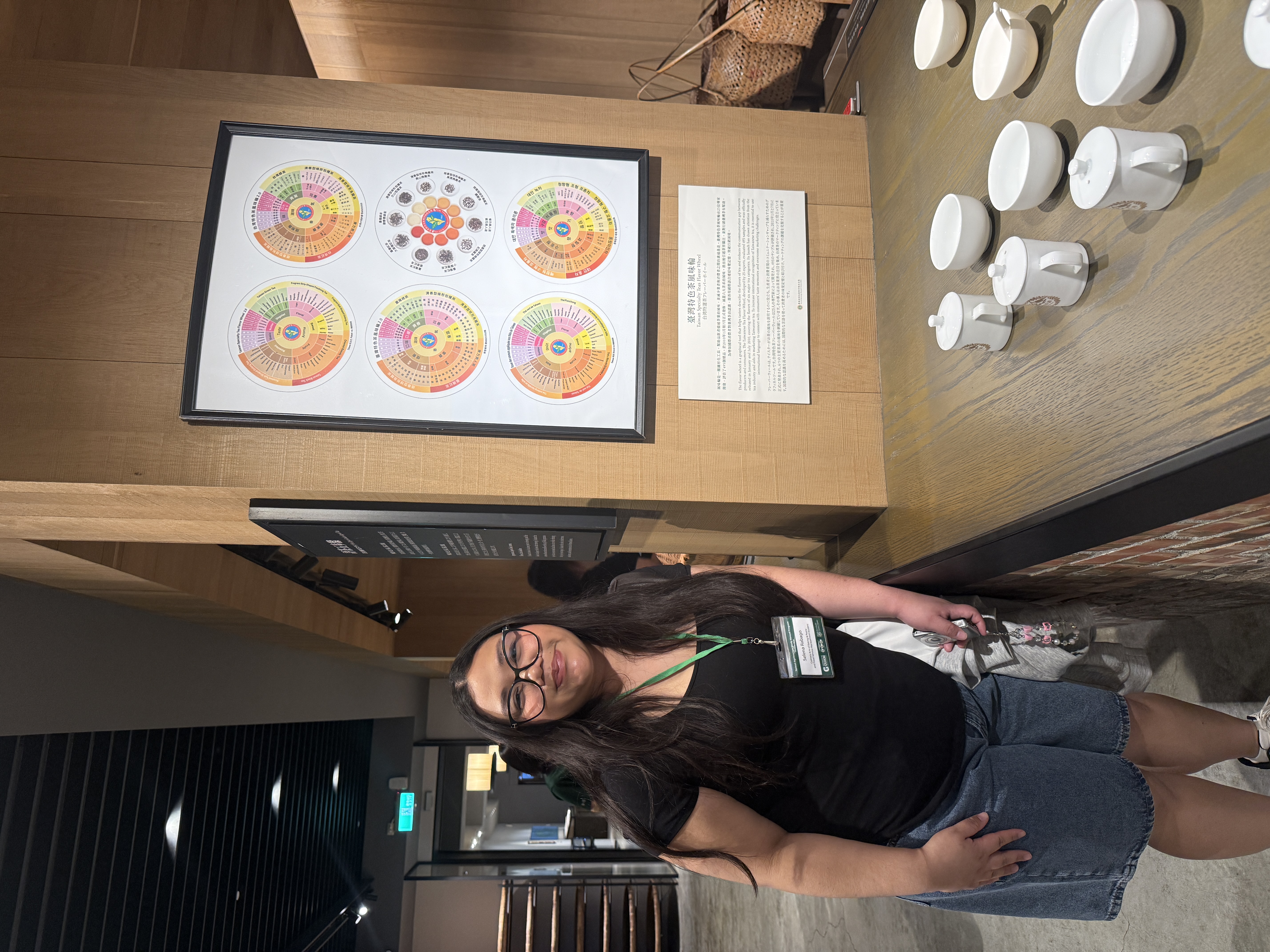
Throughout this Taiwanese Tea Certification class, I would say that it was one of the most interesting experiences i’ve done. Not only did I learn about the basics of Taiwan tea but as well as the culture and science that comes behind it. It was amazing to try the different types of tea but to also now understand the difference and which one is best for me. The hands on learning activities were great too as I was able to pluck bud leaves and then make it straight into the tea leaves that we’ve tried. Mr. Alex was an a great instructor and I can feel his passion for tea from the way he teaches to watching how he does a Taiwanese tea ceremony. This entire experience has been very knowledgeable and rewardin, I would definitely recommend to anyone who might be interested.
 2026-NCHU-39-10490-001
 2026-NCHU-39-10490-001
 2026-NCHU-39-10490-001
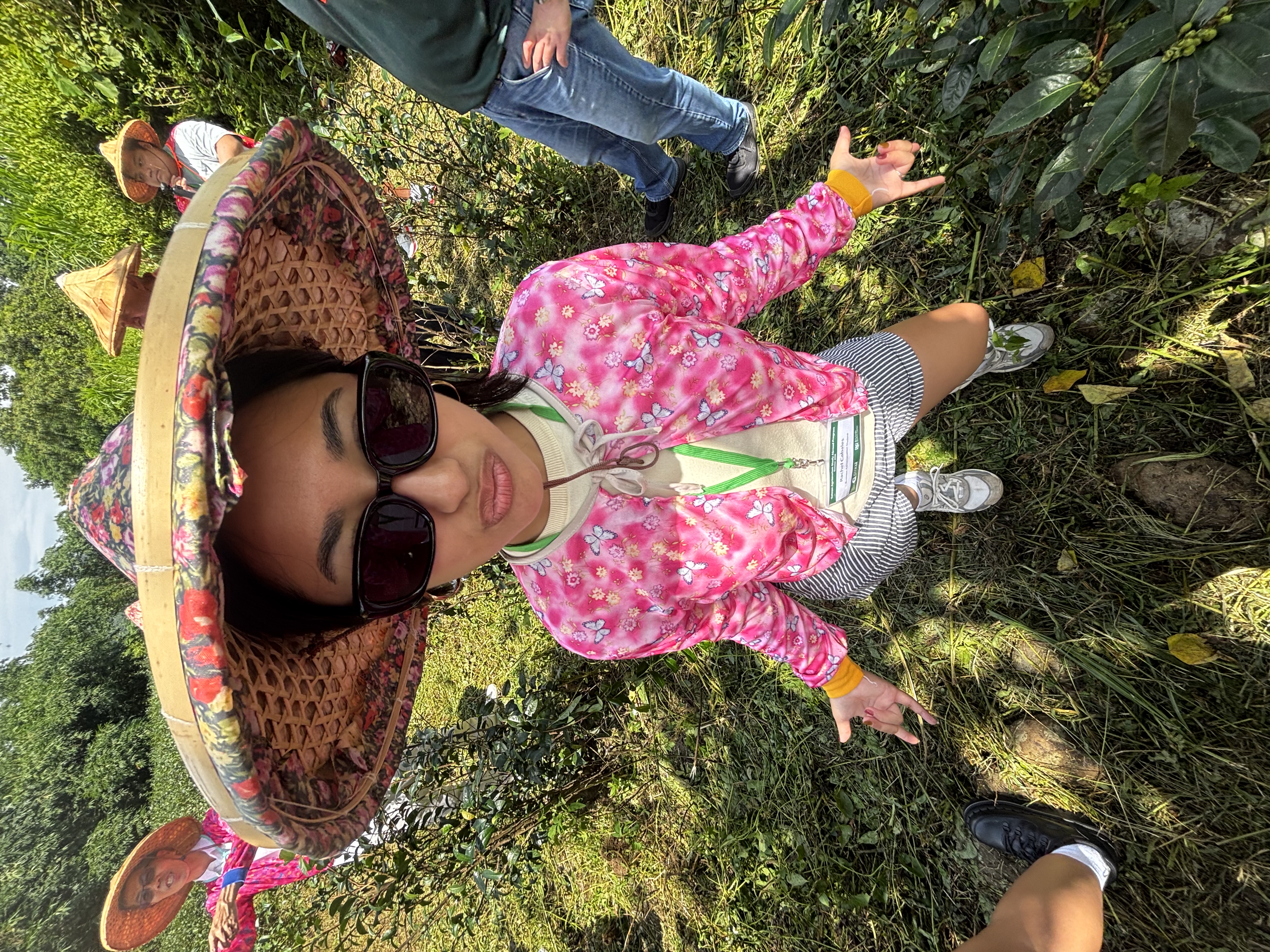

This tea tasting course was incredibly insightful, engaging, and well organized. I had a wonderful time learning about the rich history and cultural significance of Taiwanese tea, as well as how different cultivation, processing, and brewing methods influence each tea’s flavor, aroma, and appearance. The hands-on tasting activities made it easy to apply what we learned in class and helped me develop a much greater appreciation for the craftsmanship behind every cup of tea. Mr. Alex was an outstanding instructor whose passion and knowledge made every lesson enjoyable. He created a welcoming environment that encouraged questions and discussion while sharing fascinating stories about Taiwan’s tea culture and history. I especially appreciated how the course connected tradition with modern innovation, showing how tea continues to evolve while preserving its cultural roots. I highly recommend this experience to anyone interested in Taiwanese culture, agriculture, or simply learning to appreciate tea on a deeper level. It was one of the highlights of my study abroad experience.
 2026-NCHU-39-10493-001
 2026-NCHU-39-10493-001
 2026-NCHU-39-10493-001
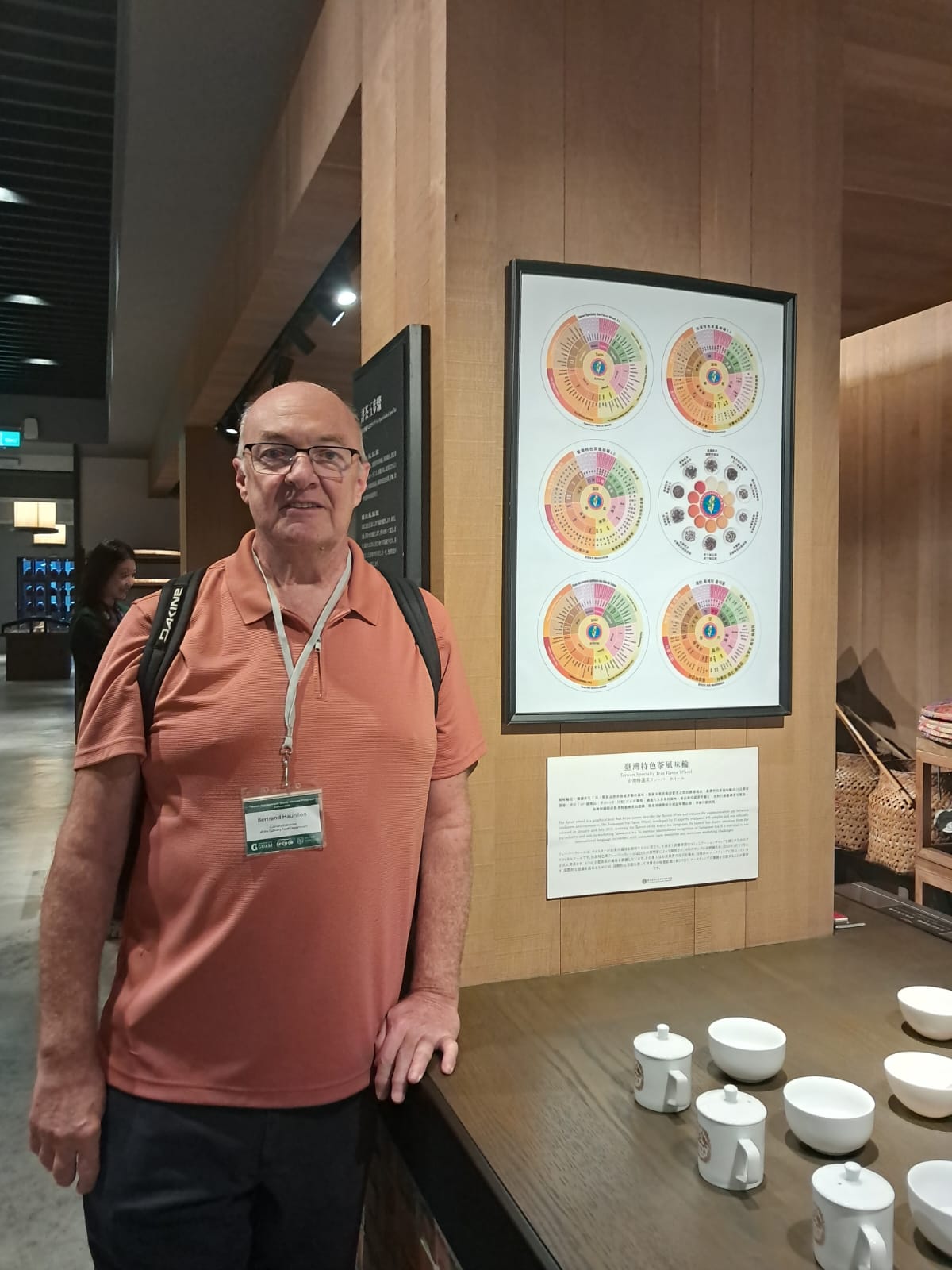
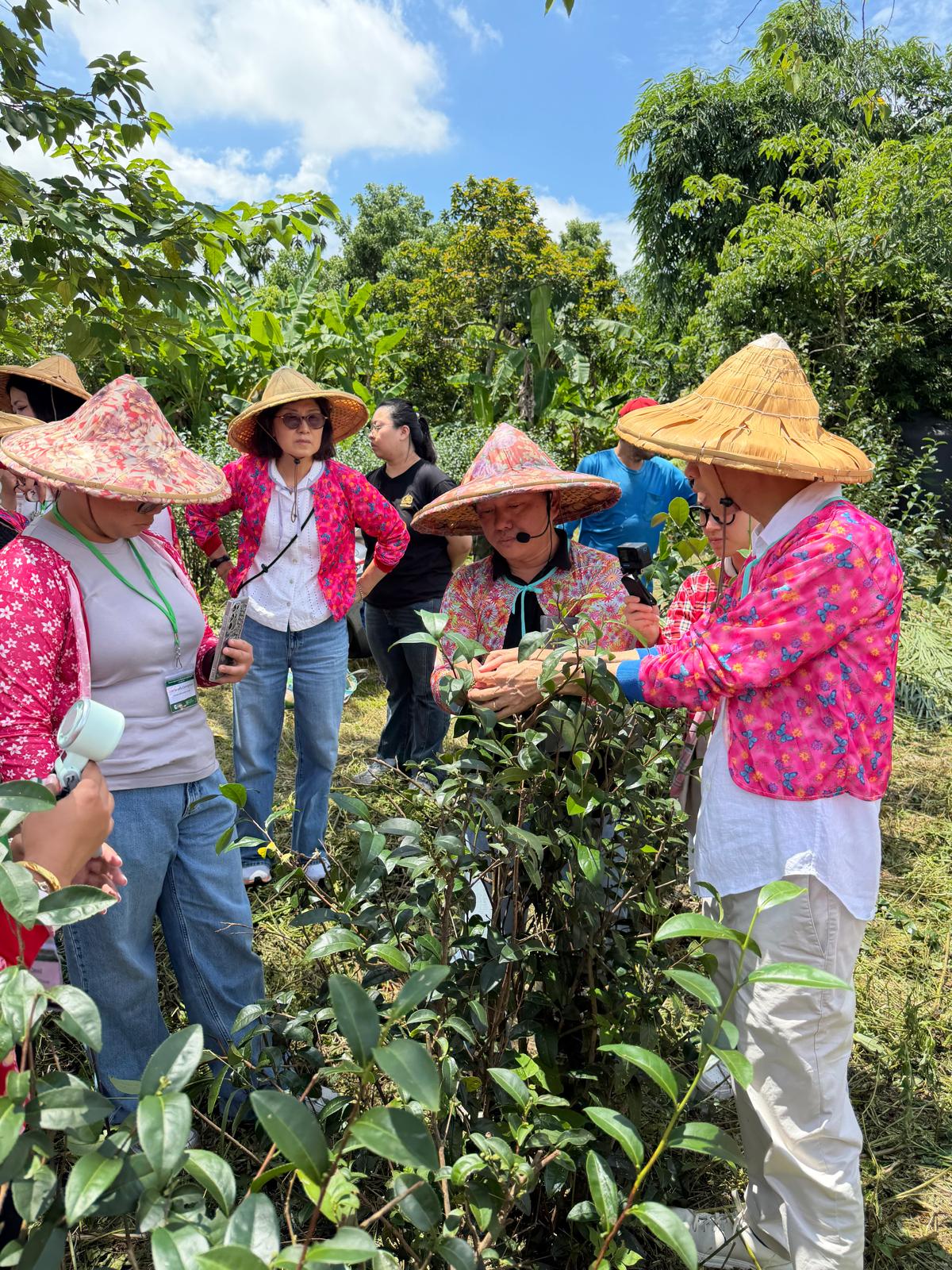
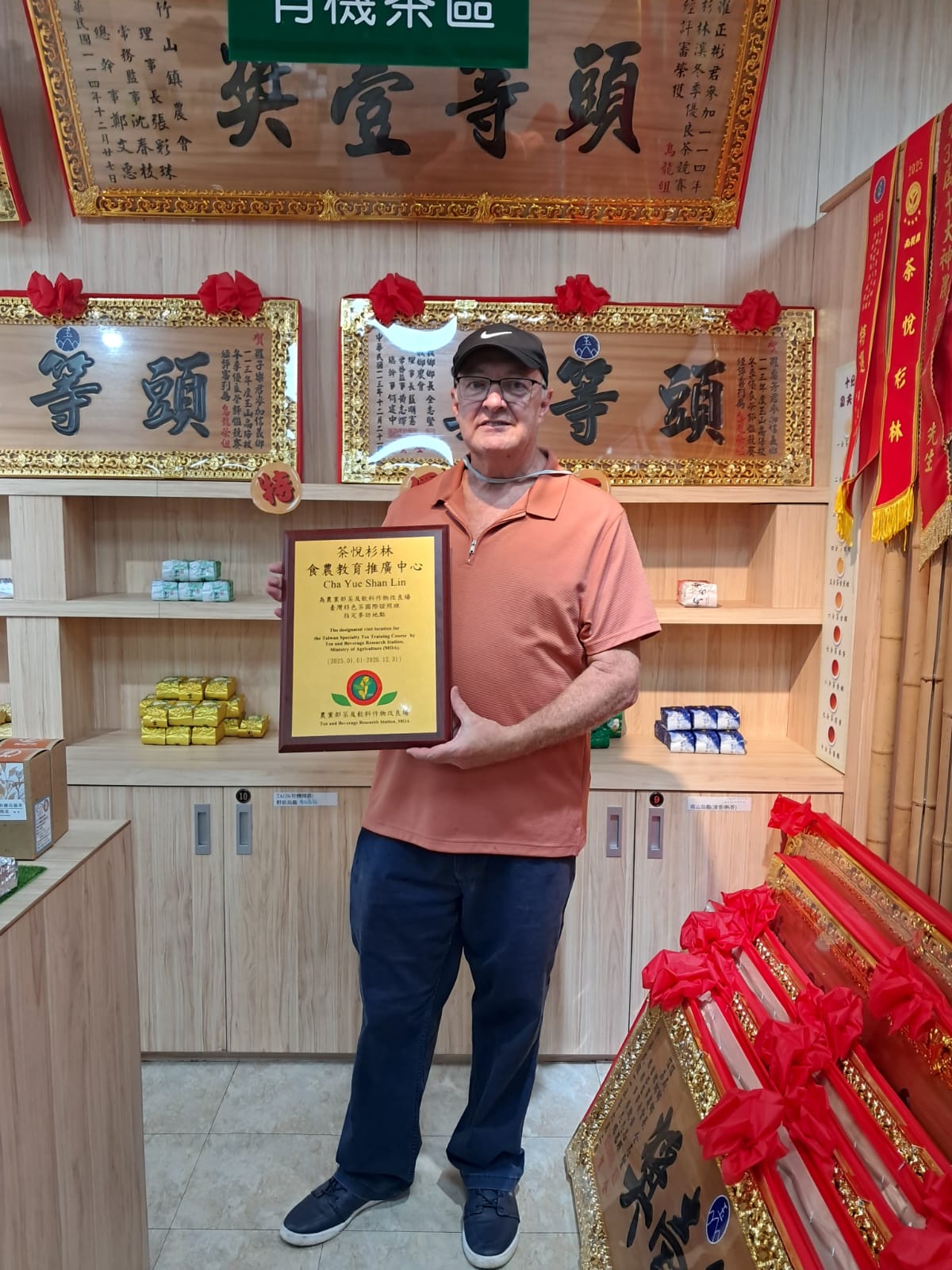
This experience was really surprising for non tea drinker. I discover the many facets tea offer. Very great experience.
2026-NCHU-39-10495-001
 2026-NCHU-39-10495-001
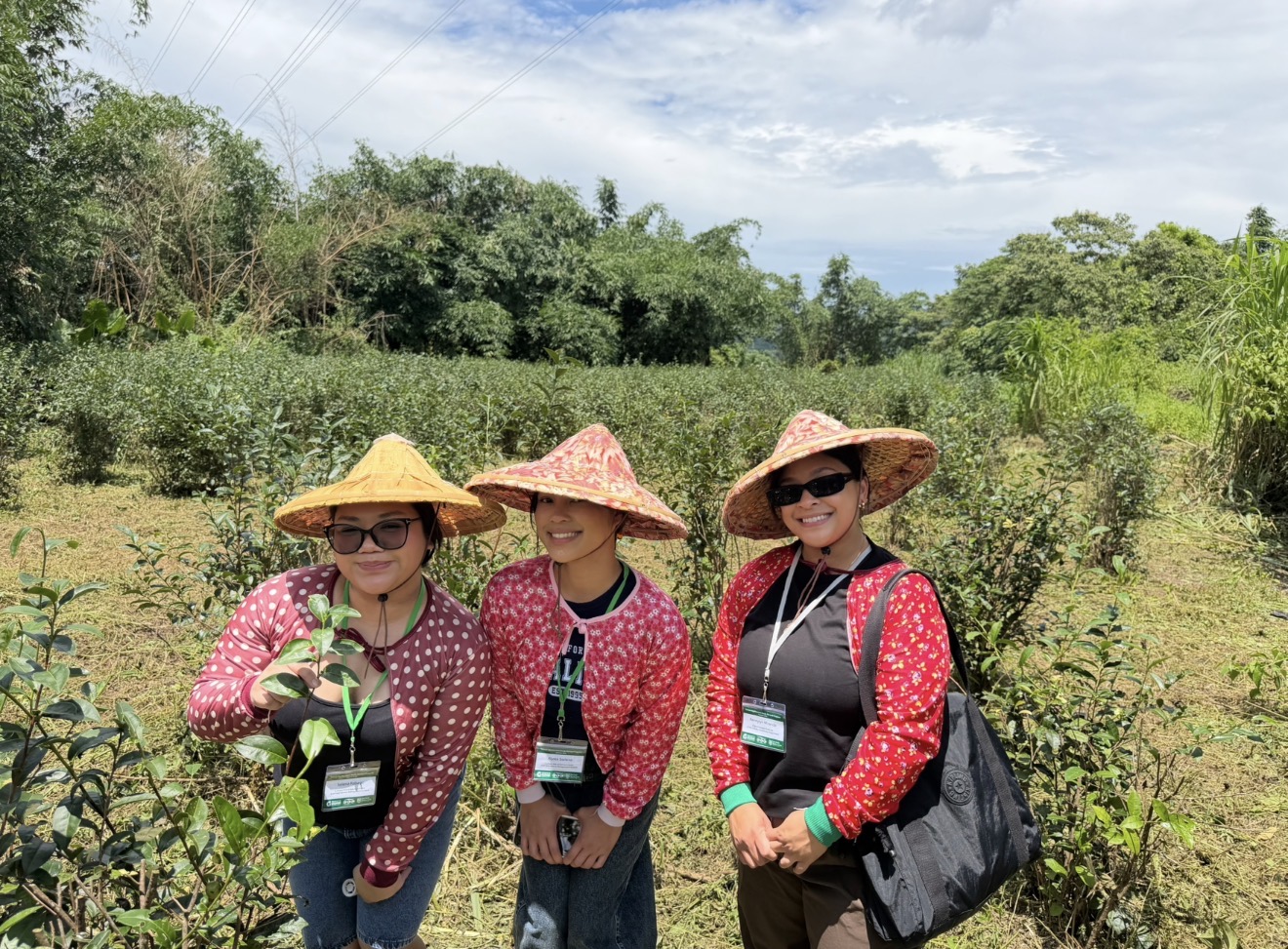 2026-NCHU-39-10495-001
Grateful for the opportunity to learn about Taiwanese Tea culture!
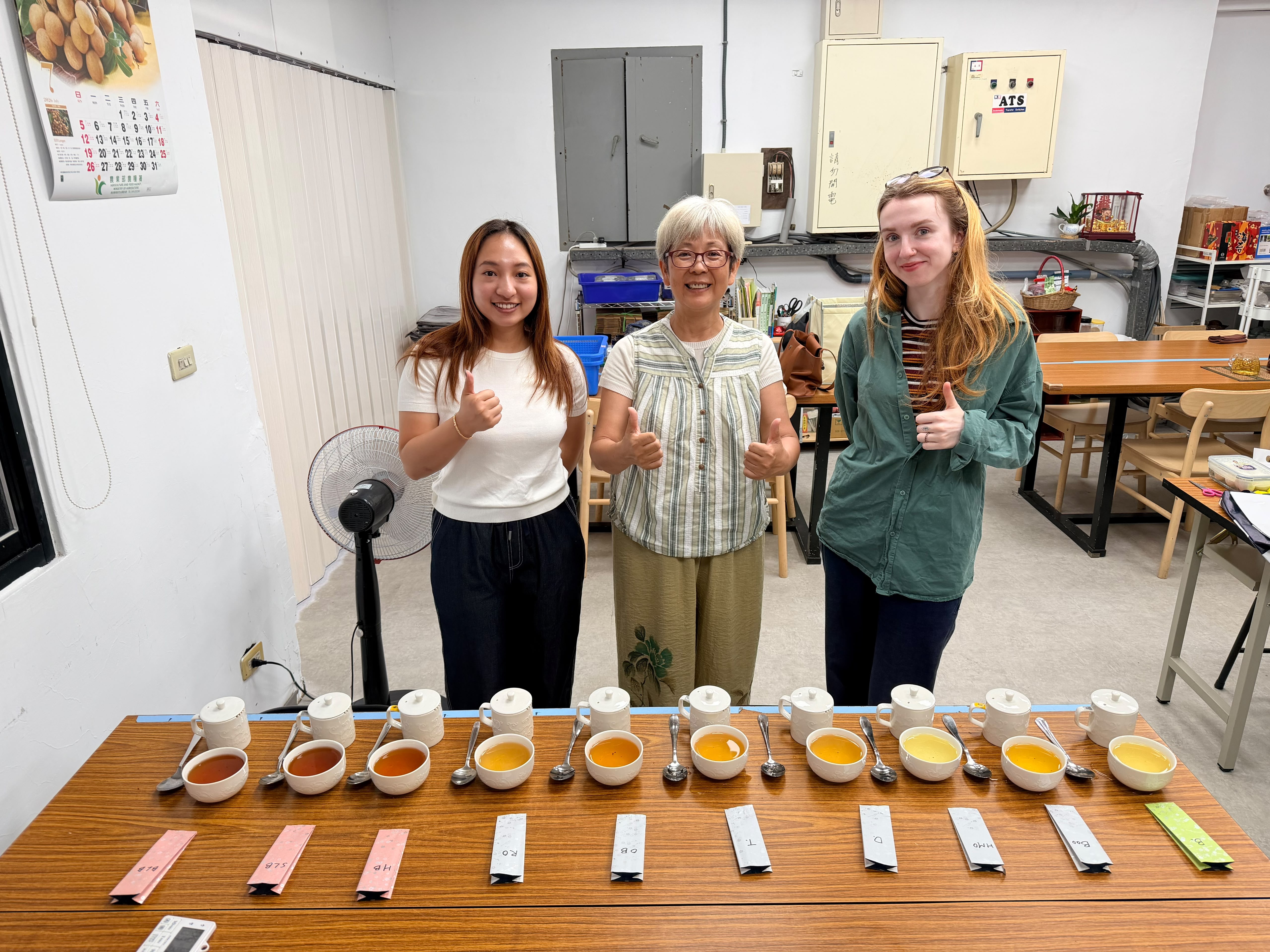 2026-IFTCL-49-10181-001
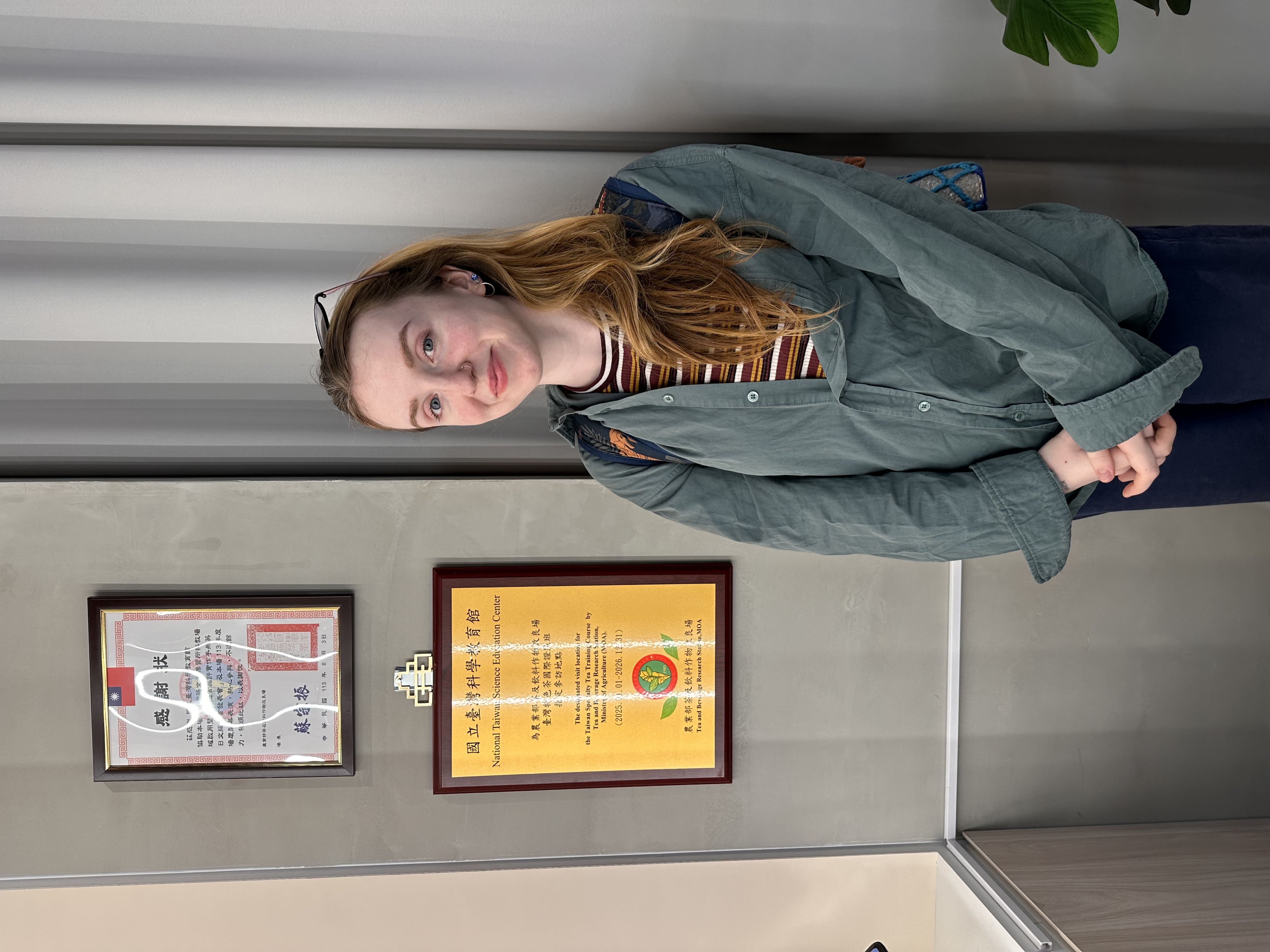 2026-IFTCL-49-10181-001
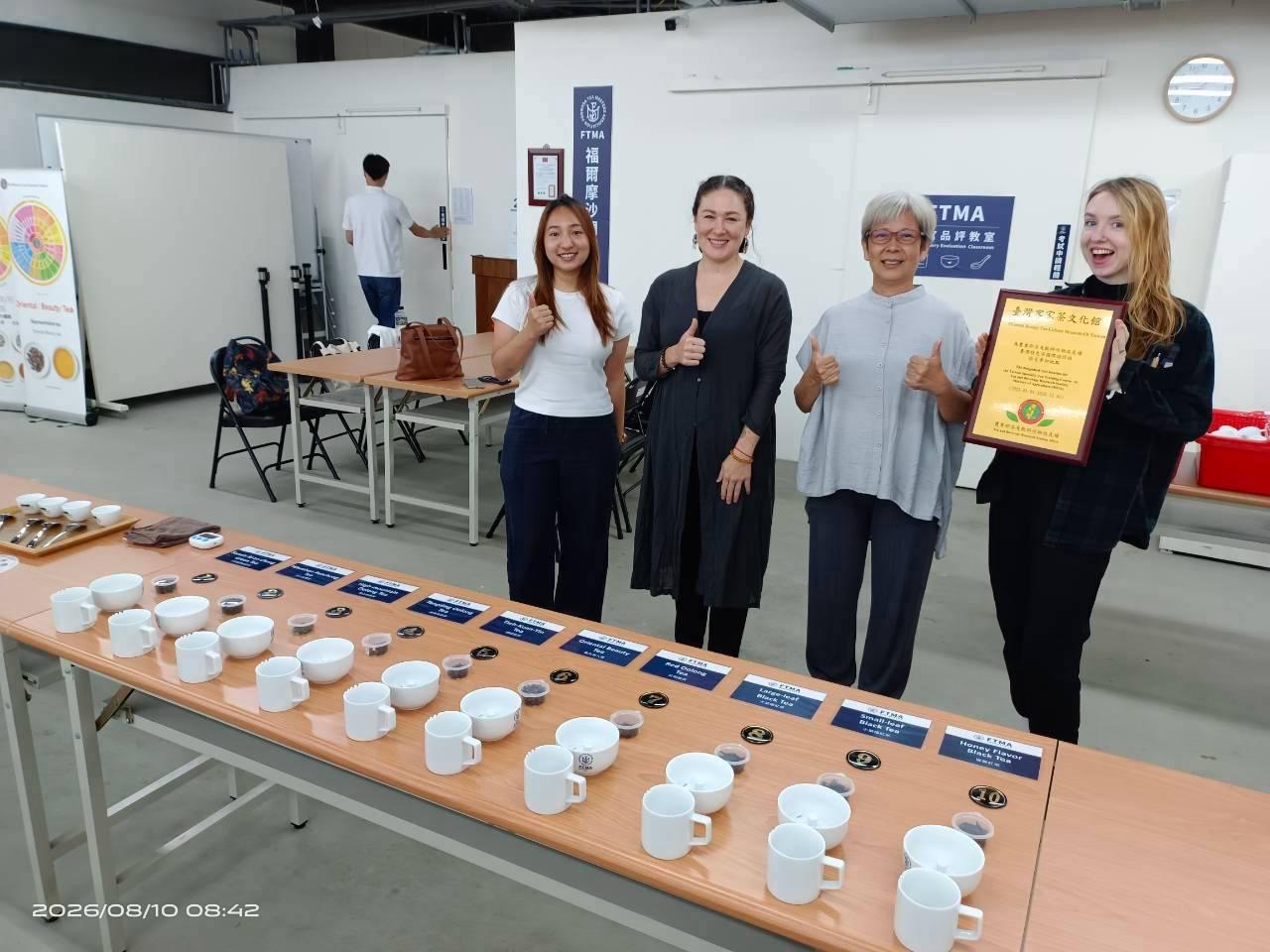 2026-IFTCL-49-10181-001
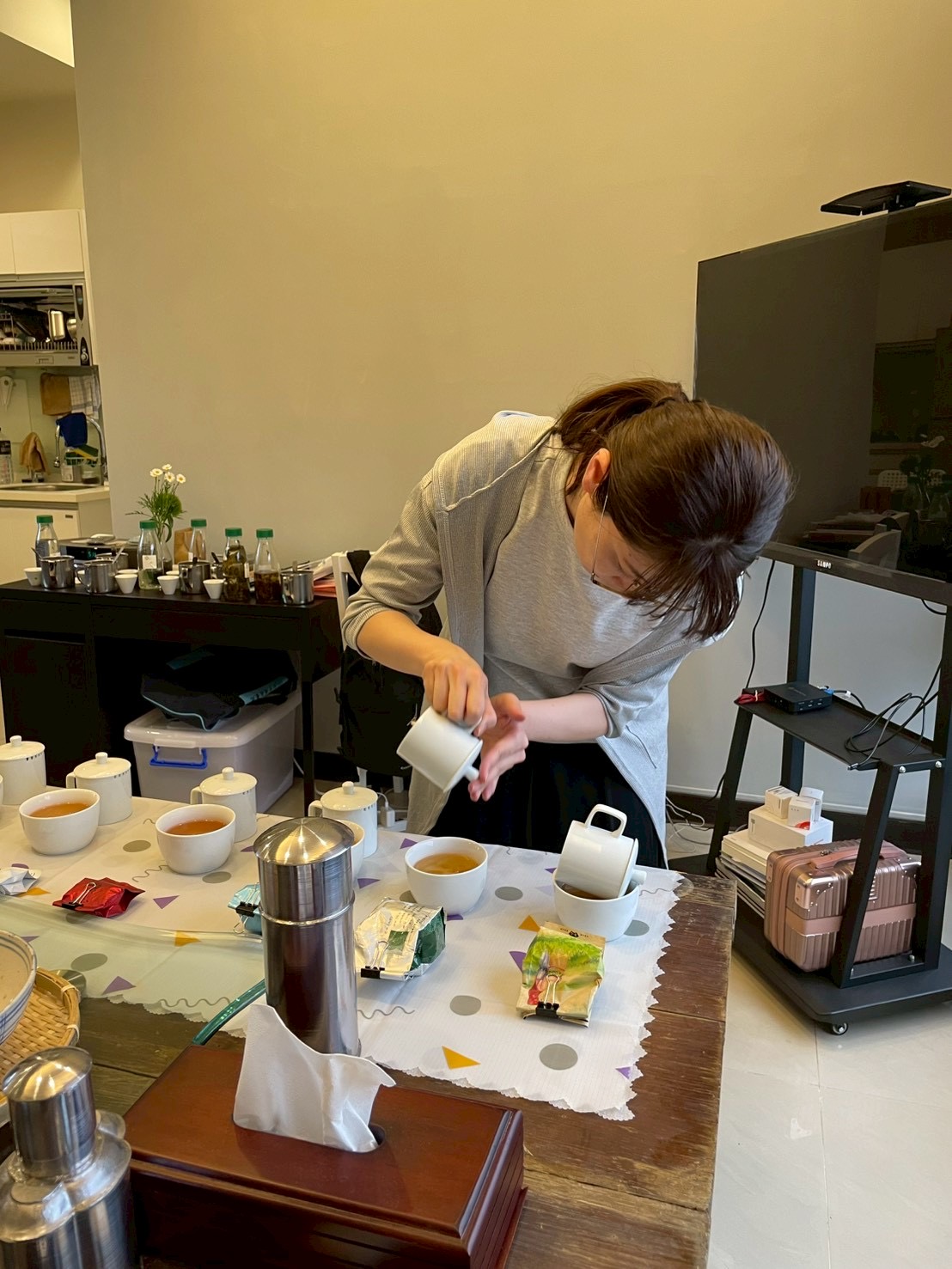
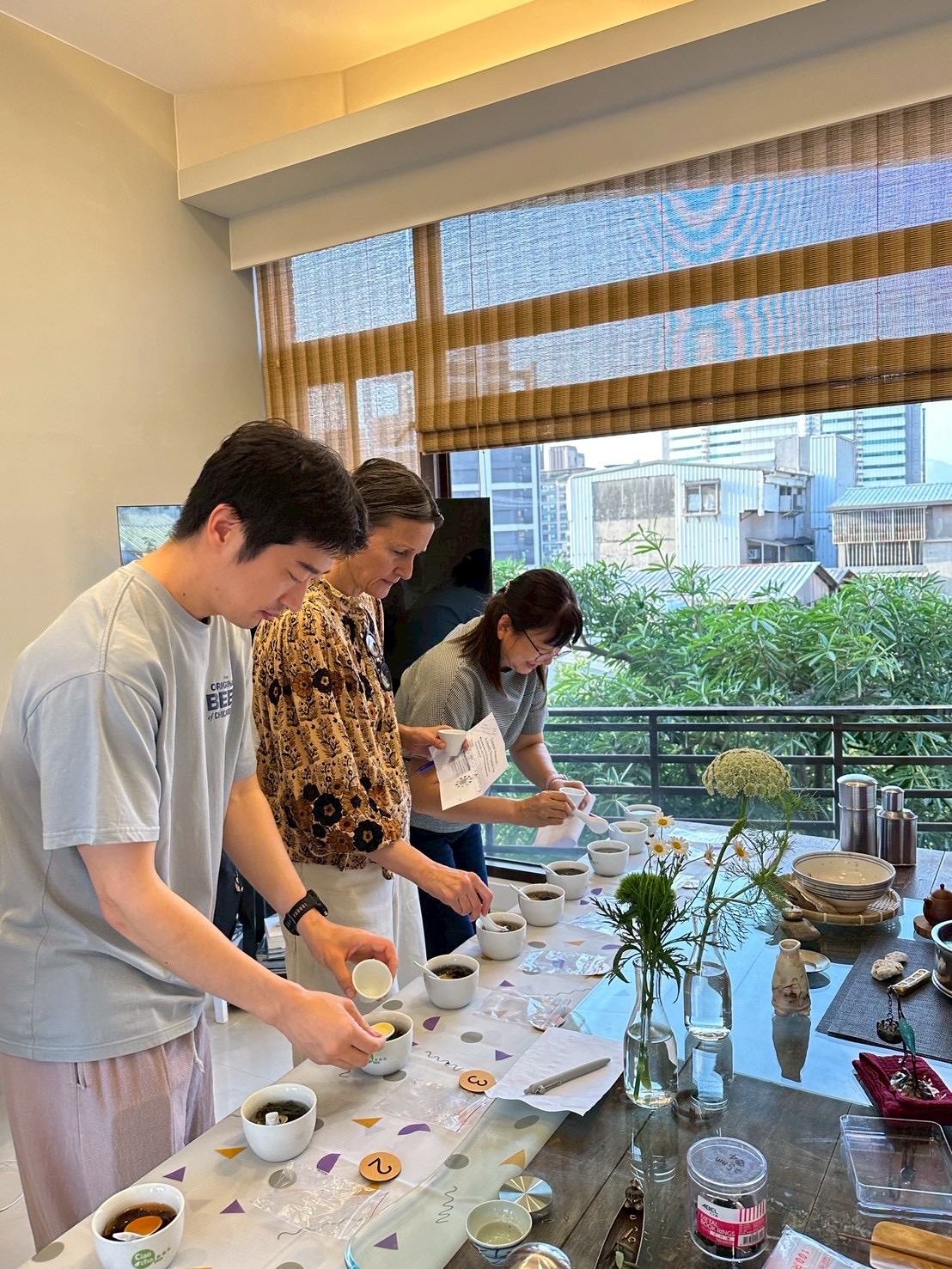
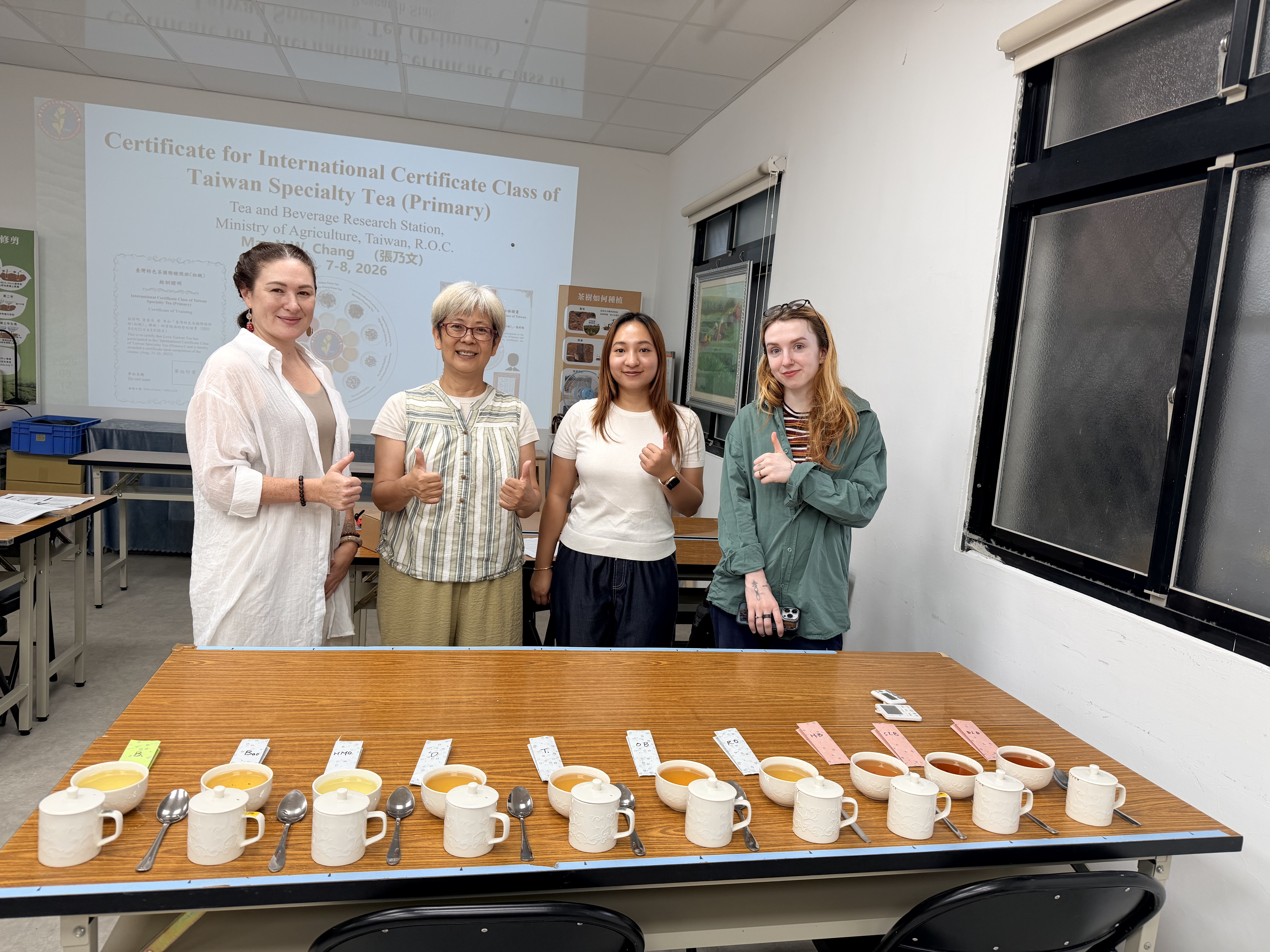
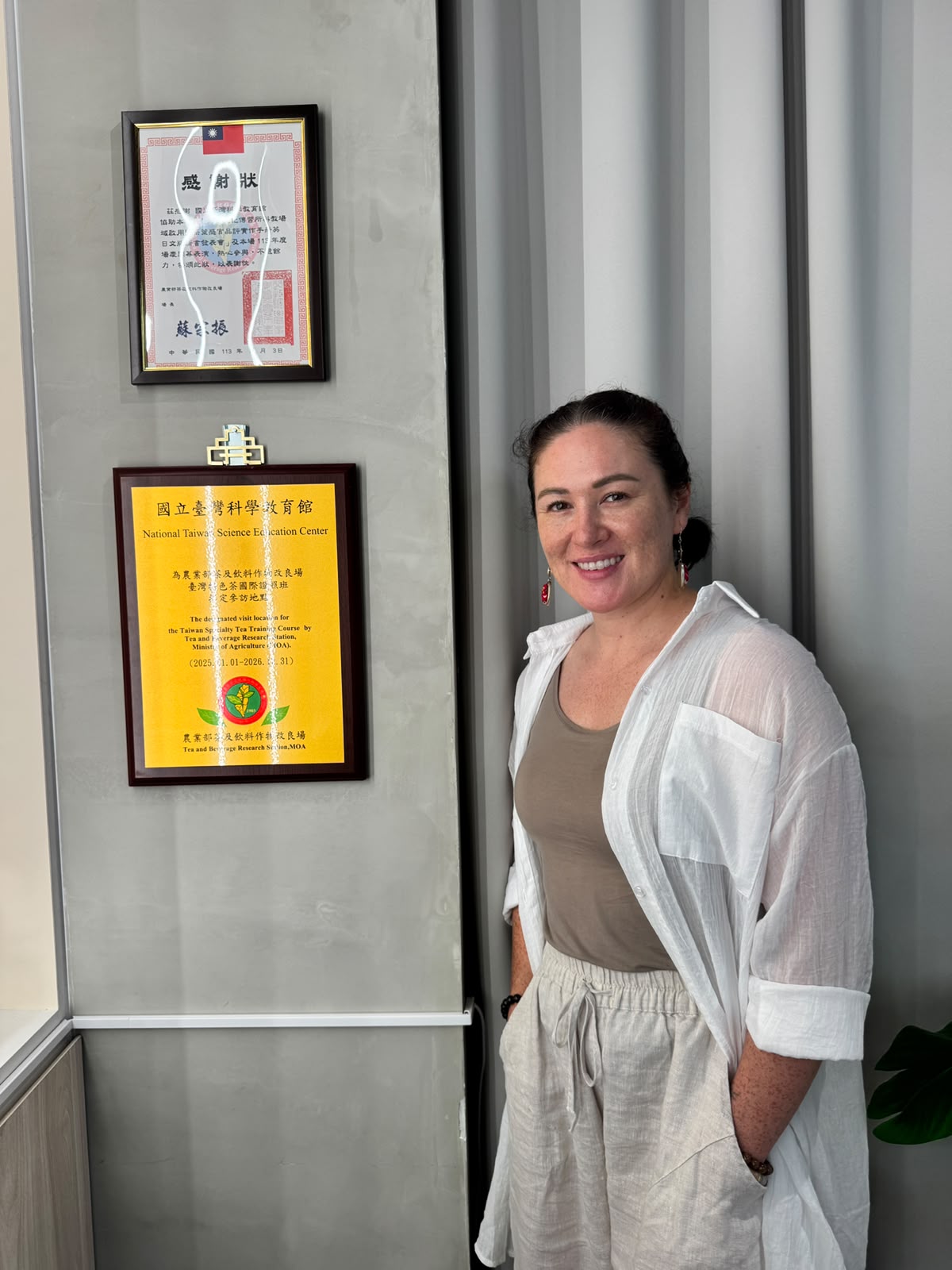
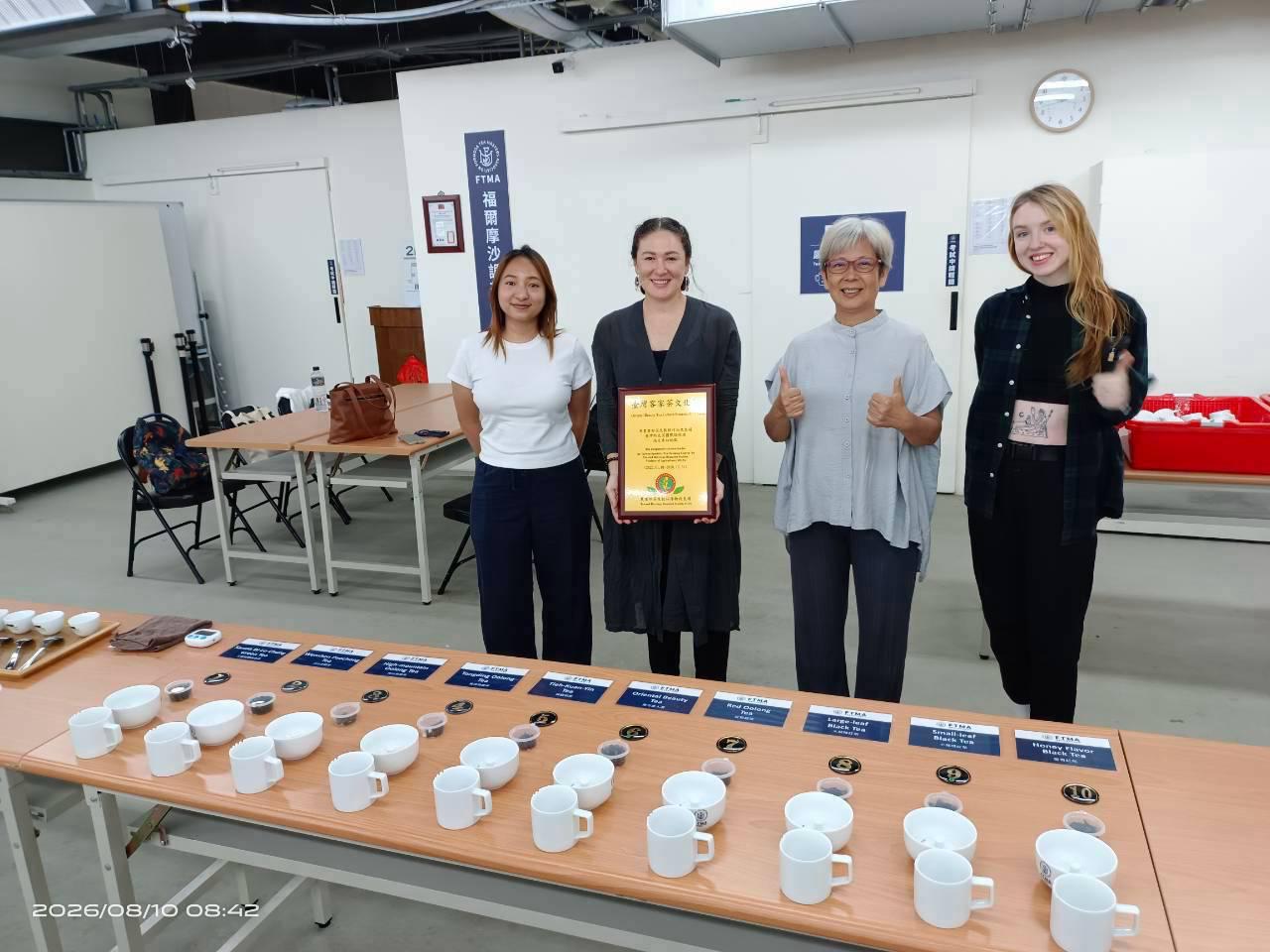
My Report Studying for and taking this tea exam has tested my knowledge far beyond what I thought I was capable of, and yet it has been a very enjoyable and educational experience. Throughout the course, I have genuinely enjoyed learning about new aspects of Taiwanese tea and developing a deeper understanding of the country’s tea culture and traditions. Comparing different teas, learning how to correctly identify them for the first time, and experimenting with how their flavours change when different types of water are used were particularly interesting and valuable experiences. These practical exercises allowed me to understand tea not only from a theoretical perspective, but also through direct tasting and observation. Additionally, visiting the designated tea-related locations was extremely helpful, as it allowed me to connect what I had learned in the classroom with real-world examples. The in-person teaching was also invaluable, providing opportunities to ask questions, receive guidance, and learn from my teacher’s knowledge and experience. May is one of the best tea teachers that I have had. I have left this course feeling significantly more confident in my knowledge of Taiwanese tea and much better equipped to continue exploring the subject. I am grateful not only to my teacher for sharing her knowledge and passion, but also to myself for taking the initiative to sign up for a class that I had wanted to do for so long. Overall, this has been a rewarding experience that has strengthened both my knowledge and appreciation of Taiwanese tea.
 2026-IFTCL-49-10506-001
 2026-IFTCL-49-10506-001
 2026-IFTCL-49-10506-001
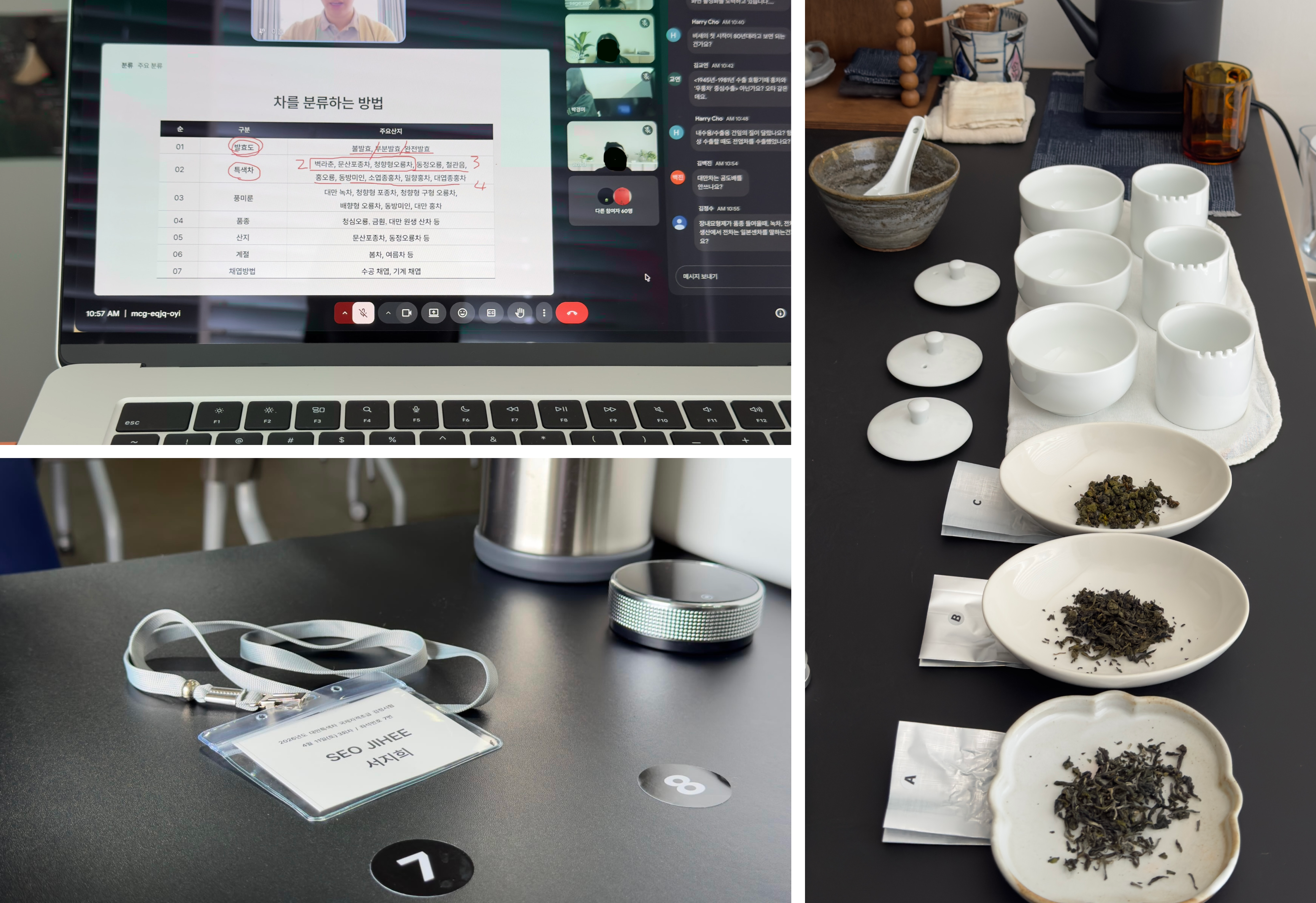
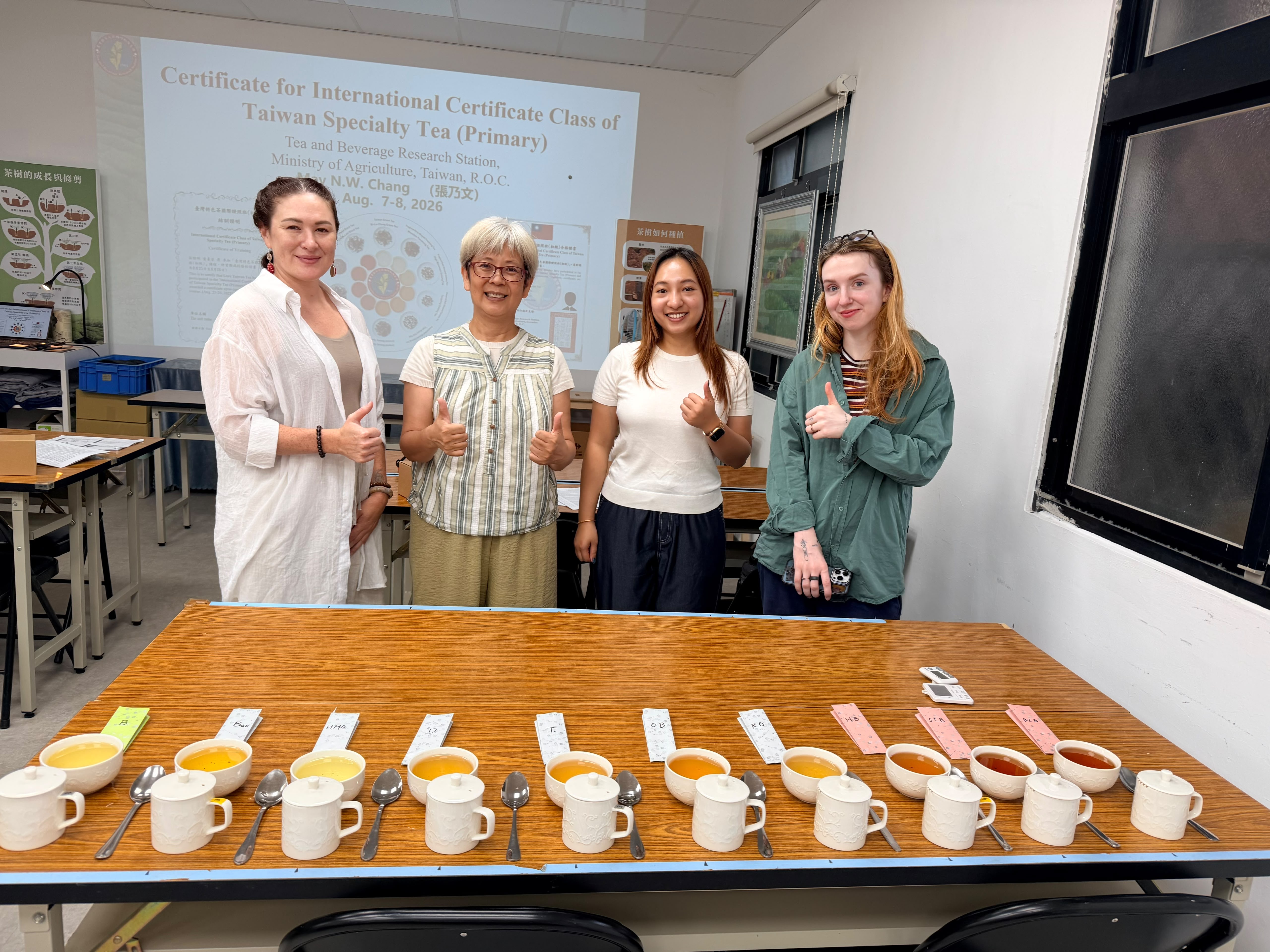
Dear TBRS, Overall, I'm very excited to have taken this class. I had fun and learned great information that I can share with others around the world. Thank you for offering this course in English for tea lovers like myself to enjoy. I learned about the six tea classifications for Taiwanese tea and how to tell which category a tea belongs-to based on leaf appearance and aroma, tea soup appearance and aroma, and infused leaf appearance and aroma. I learned about the history of tea in Taiwan and about modern-day production. I also learned about different processing methods for different types of tea. Overall, I have a better understanding of what makes Taiwan tea unique in the global tea market. In this review, I'll walk through my thoughts on course materials as well as teaching quality. I'll speak about what I think worked well and what I'd recommend you do differently for future classes. Course Materials • Worked Well: The powerpoint slides were very helpful. They had just enough information that we could study them by itself. It was also very nice to have been provided the 200 test questions beforehand. I used this as my study guide and reviewed all of the questions multiple times. • Do Differently: o All of the slides should be printed/provided in color. Because so much of understanding tea is seeing the color of the leaf, soup, etc, we need to have a color copy of the slides to study well. o The English translations need improving on both the slides and test. Many times, I didn't understand the question or answer. o One question is written incorrectly in English so that the correct answer does not make any sense. (#45 should read "All of the above" because none of the above are stripe-shaped teas.) The translation in the slides was different from the translation in the exam (#74 naming mouth feel and #77 naming the grading system). o Some terms you chose are not broadly used in the international tea community. For example, no one says "panning;" we say "kill green" or "fixation," which are commonly understood. o Some terms need better English translations. For example "over-fry," "unglue," "remoisture & soften," and "first/second disintegrating" sound very awkward. o The slides have inconsistent information. For Biluochun, slide #32 includes "blanching," but slide #54 says "panning." Question #81 in the exam includes "(indoor withering)" when none of the slides mention this. o There are many, many more, but I am not going to list them all right now. Teaching Quality • Worked Well: Our instructor May was very generous with her time and knowledge. She showed a good grasp for the information and was willing to answer all of our questions. I really appreciated this because some teachers only teach you what is on the slides and will not answer deeper questions. May went beyond the slides and told stories and facts that enriched the learning experience. She was patient and kind throughout. • Do Differently: Where she could have done better is with her preparation. She provided us with answers to the 200 questions, but discovered that some of her answers were incorrect. She couldn't answer many of our logistical questions about the class. Why do we need to take photos? Where do we upload our report? What is our report about? Lastly, her English is not very good, so there were many moments when we had to speak in Chinese and translate into English. Overall, it was a great experience that has greatly enriched my knowledge of Taiwanese tea. I hope that you will receive my suggestions to improve the course so that Taiwan can proudly share tea wisdom more professionally with the international community. Kind regards, Songya
 2026-IFTCL-49-10507-001
 2026-IFTCL-49-10507-001
 2026-IFTCL-49-10507-001
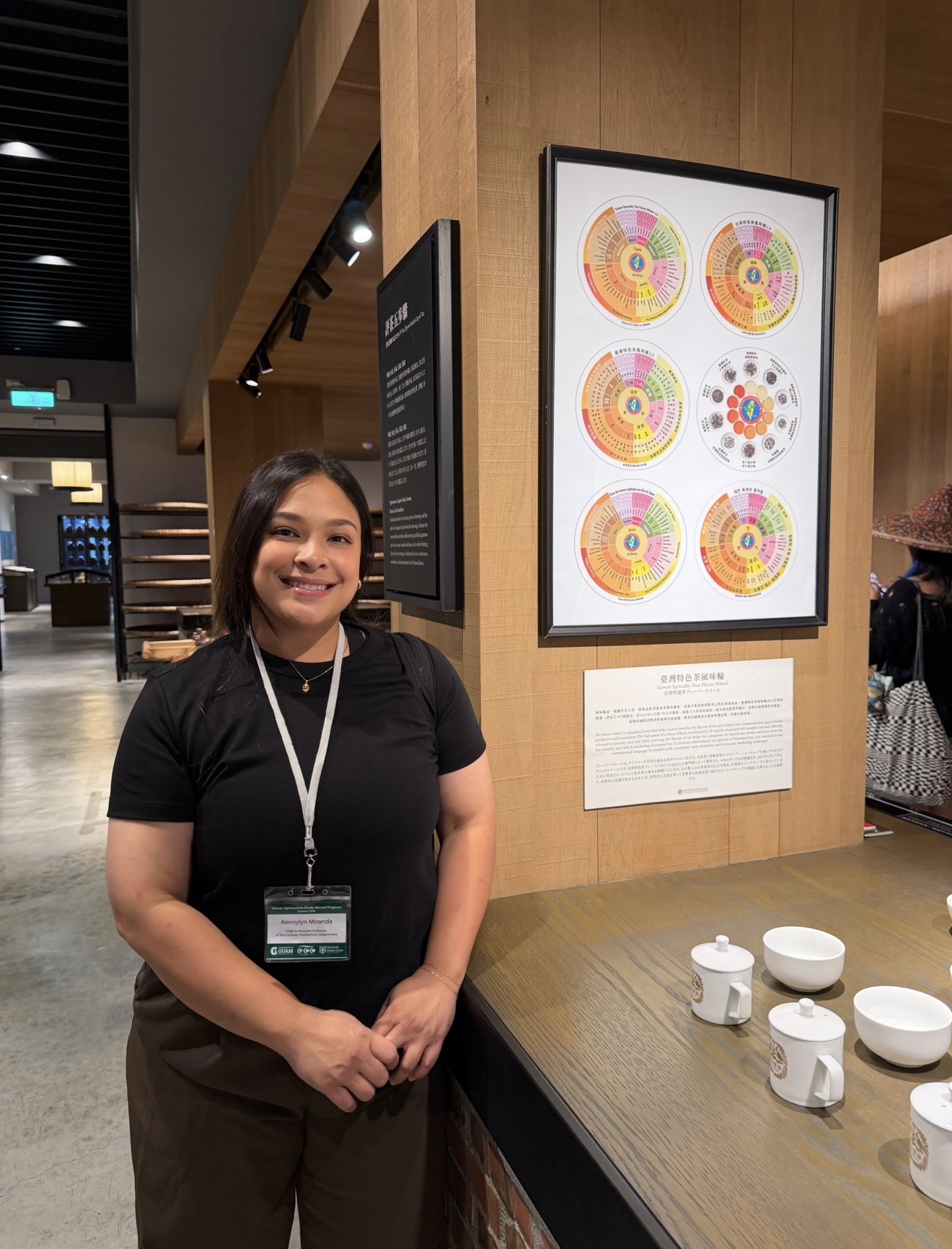
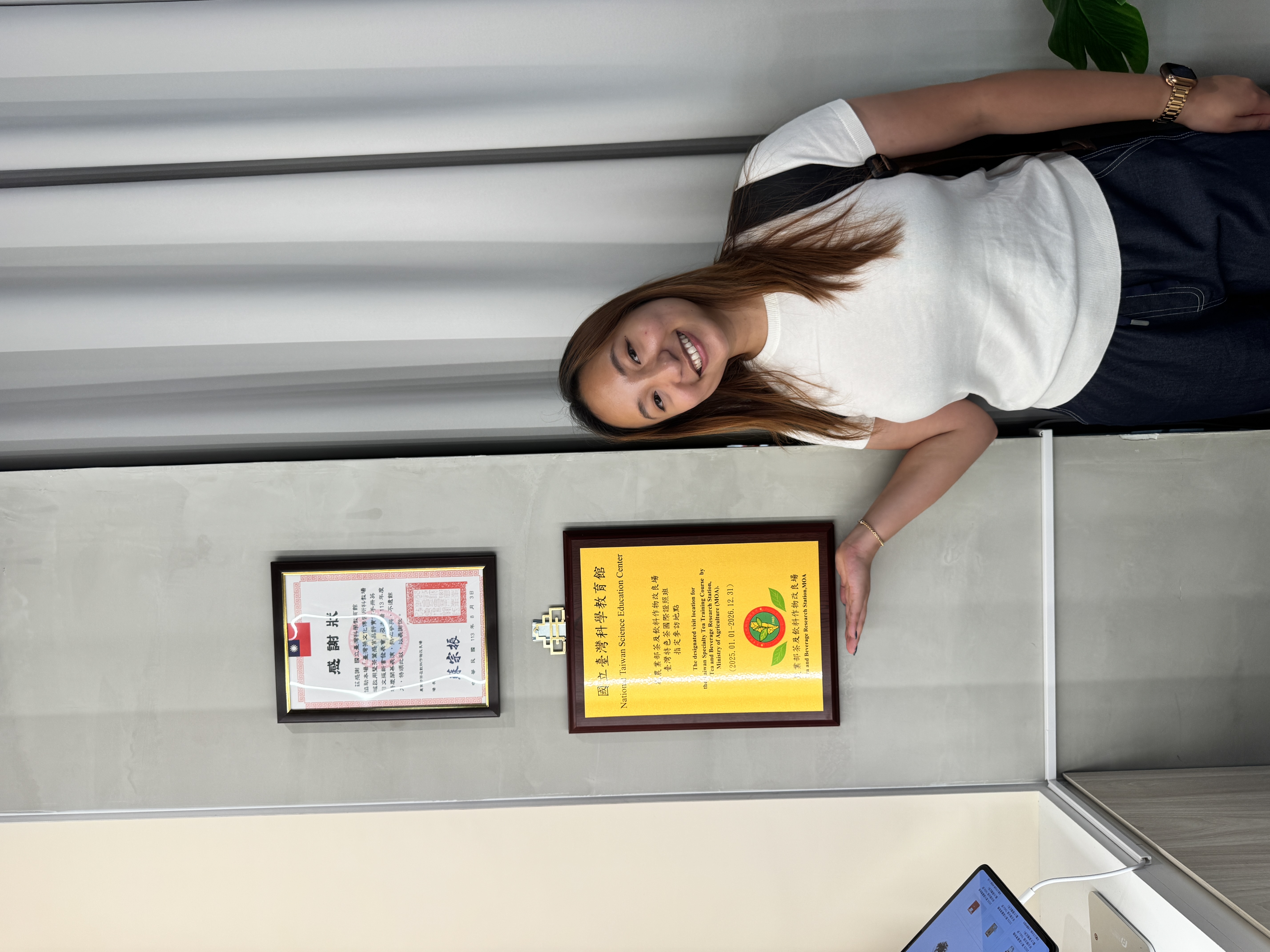
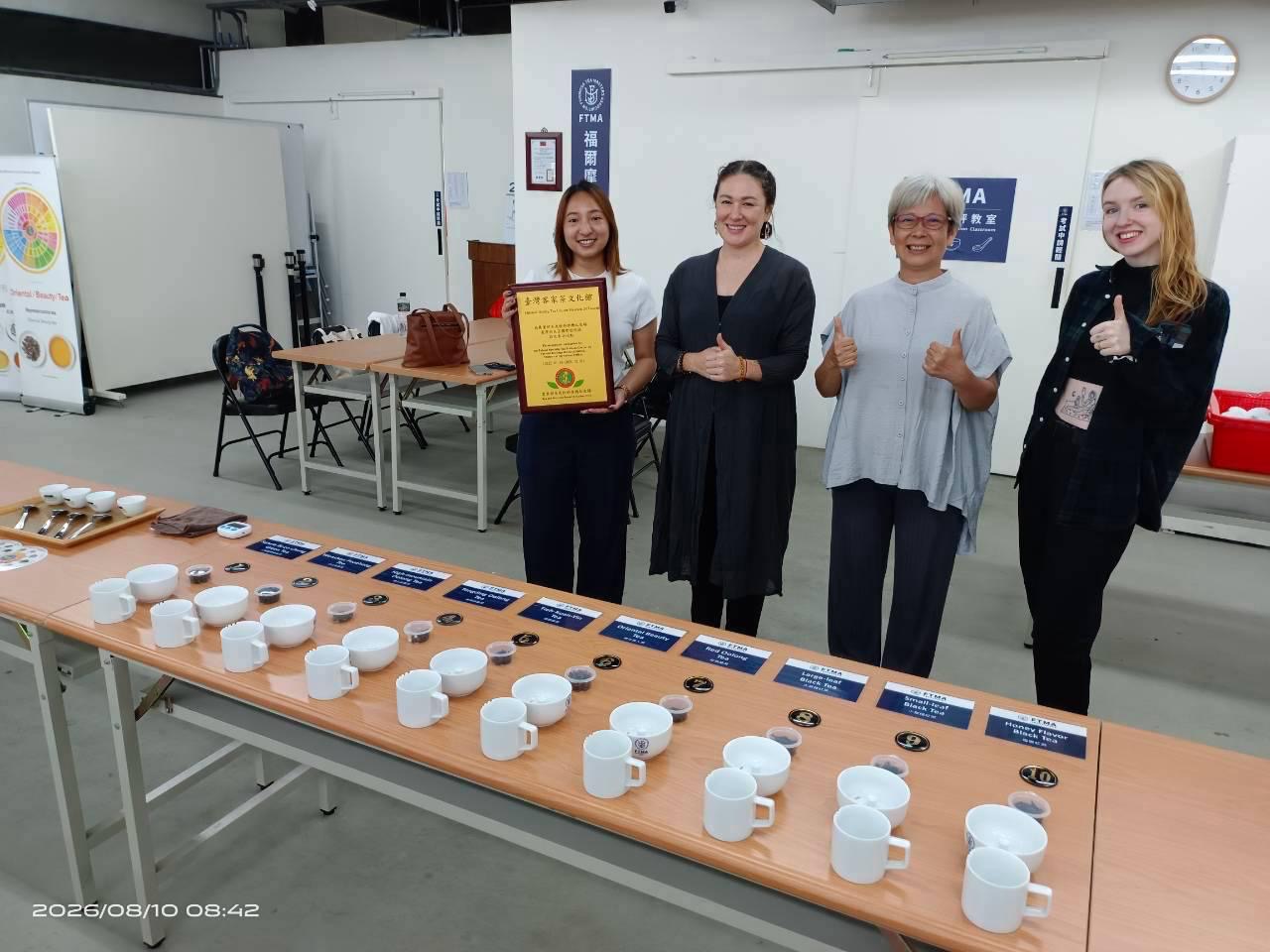
Taking the certificate for international certificate class of Taiwan speciality tea has been an honor. I loved learned about the detail information about Taiwanese tea that my family has been drinking for generations. As boba tea has been trending around the whole world, it made me want to learn about tea in a deeper way which I was able to do in this class. Being able to recognize which tea is what made me more confident and made me love Taiwanese tea even more. Learning all of this also made me want to share to the whole world about Taiwanese tea. However, as someone that has struggled with schooling and learning since I was young, I value in the quality of the materials of the classes I take. There were many inconsistencies between the PowerPoint and the exam questions. The simpler issues were the naming of the teas. 鐵觀音 in English is sometimes spelled Tie guan yin and sometimes spelled tieh kuan yin. 凍頂 is sometimes spelled Dong Ding and sometimes tong ding. 包種 is sometimes Baozhong and sometimes Paochong. By using one English spelling for these can enforce stronger and more clear learning for everyone. Another issue is the English used for 殺青. The PowerPoint used panning but I have also heard kill green within the industry. When my class visited National Taiwan Science Education Center, the poster information board used “fixation”. Personally I feel that fixation is the best term to explain 殺青. Also one thing that confused us was when saying 殺青 for green tea, the term used was “blanching” which is connected to using water. But from my understanding in class, no water is used for 殺青. All of these inconsistent terms would create a lot of confusion in the international Taiwanese tea industry. One of the bigger issues personally is the use of fermentation and oxidation. It was caused me to not fully understand what is happening in this step. I understand that fermentation is used more commonly and that only happened because the mandarin was incorrect from the start. I hope that moving forward, it can be more scientifically correct in English and mandarin by using oxidation. There was a question in the exam regarding TAGs evaluation report. In the PowerPoint it used the terms Deluxe, Premium, Choice. However, on Exam it used premium selection, selected, excellent, first choice. The question was asking which one is NOT a tea grade and the answer was “first choice”. This is contradicting and confusing because of the terms used. Another issue we saw was the question about which one is not a ball rolling machine used. This wasn’t explained on the PowerPoints and from my understanding this question focused more on understanding the mandarin terms and not English. These are just some of the issues that I have noted down during my learning. Since the people who are usually taking this international class are the people who are bringing Taiwanese tea all over the world, I hope that the correct informations can be given to the rest of the world. Myself and many others taking this class would be so happy to partner/ volunteer our time to check and discuss what are the proper terms and ways to improve this education. I hope that we can work together to ensure accurate information is shared to the world. If this is possible, people contact me at amy.chu2201@gmail.com. My Line and phone number is 0986163991. I am looking forward to this opportunity.