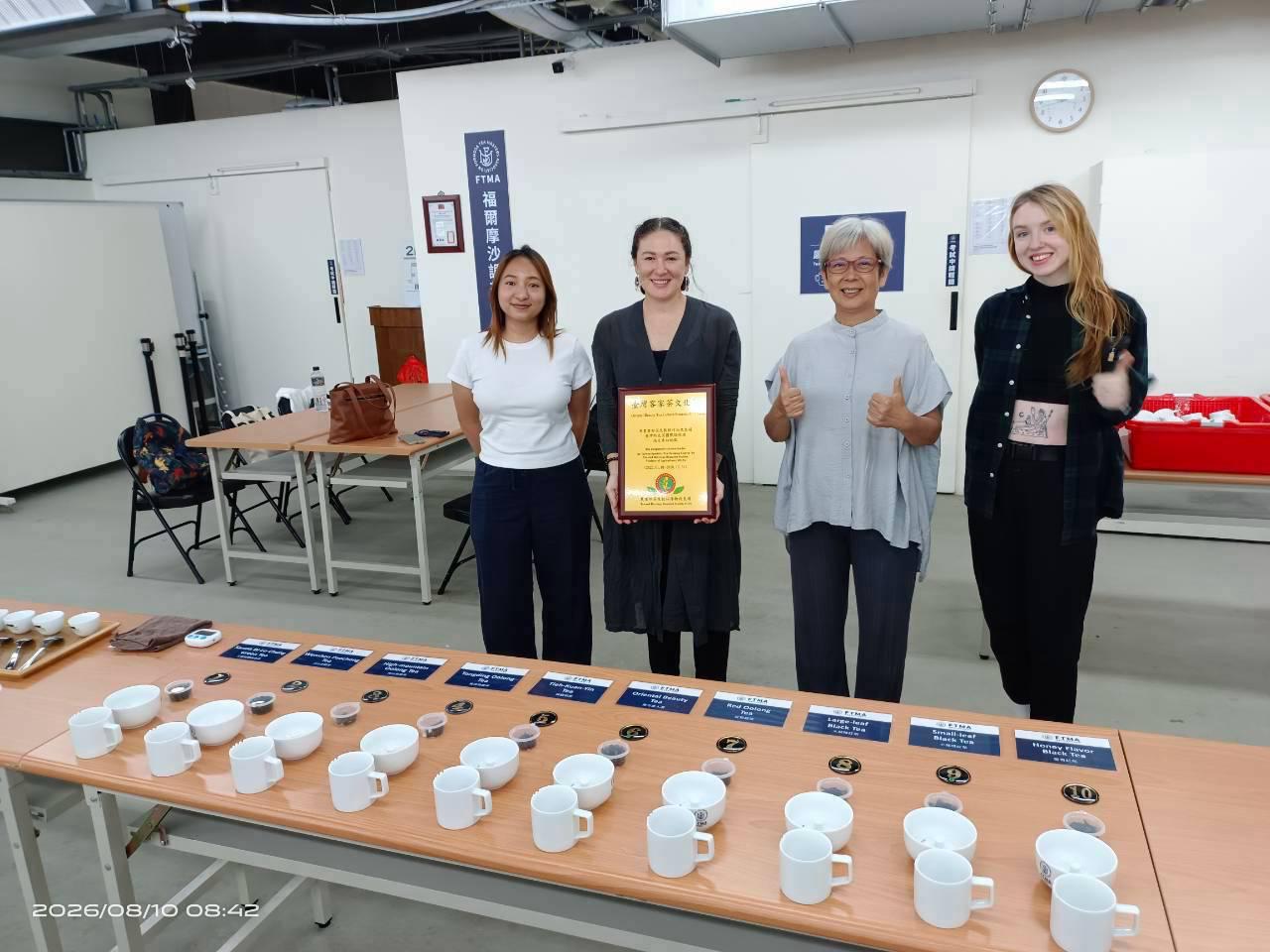
臺灣特色茶國際證照班
臺灣特色茶國際證照班
Certificate for International Certificate Class of Taiwan Specialty Tea
學員心得分享
Students’ Feedback Sharing
2026-IFTCL-49-10506
學員名稱Songya
心得感想
Dear TBRS,
Overall, I'm very excited to have taken this class. I had fun and learned great information that I can share with others around the world. Thank you for offering this course in English for tea lovers like myself to enjoy. I learned about the six tea classifications for Taiwanese tea and how to tell which category a tea belongs-to based on leaf appearance and aroma, tea soup appearance and aroma, and infused leaf appearance and aroma. I learned about the history of tea in Taiwan and about modern-day production. I also learned about different processing methods for different types of tea. Overall, I have a better understanding of what makes Taiwan tea unique in the global tea market.
In this review, I'll walk through my thoughts on course materials as well as teaching quality. I'll speak about what I think worked well and what I'd recommend you do differently for future classes.
Course Materials
• Worked Well: The powerpoint slides were very helpful. They had just enough information that we could study them by itself. It was also very nice to have been provided the 200 test questions beforehand. I used this as my study guide and reviewed all of the questions multiple times.
• Do Differently:
o All of the slides should be printed/provided in color. Because so much of understanding tea is seeing the color of the leaf, soup, etc, we need to have a color copy of the slides to study well.
o The English translations need improving on both the slides and test. Many times, I didn't understand the question or answer.
o One question is written incorrectly in English so that the correct answer does not make any sense. (#45 should read "All of the above" because none of the above are stripe-shaped teas.) The translation in the slides was different from the translation in the exam (#74 naming mouth feel and #77 naming the grading system).
o Some terms you chose are not broadly used in the international tea community. For example, no one says "panning;" we say "kill green" or "fixation," which are commonly understood.
o Some terms need better English translations. For example "over-fry," "unglue," "remoisture & soften," and "first/second disintegrating" sound very awkward.
o The slides have inconsistent information. For Biluochun, slide #32 includes "blanching," but slide #54 says "panning." Question #81 in the exam includes "(indoor withering)" when none of the slides mention this.
o There are many, many more, but I am not going to list them all right now.
Teaching Quality
• Worked Well: Our instructor May was very generous with her time and knowledge. She showed a good grasp for the information and was willing to answer all of our questions. I really appreciated this because some teachers only teach you what is on the slides and will not answer deeper questions. May went beyond the slides and told stories and facts that enriched the learning experience. She was patient and kind throughout.
• Do Differently: Where she could have done better is with her preparation. She provided us with answers to the 200 questions, but discovered that some of her answers were incorrect. She couldn't answer many of our logistical questions about the class. Why do we need to take photos? Where do we upload our report? What is our report about? Lastly, her English is not very good, so there were many moments when we had to speak in Chinese and translate into English.
Overall, it was a great experience that has greatly enriched my knowledge of Taiwanese tea. I hope that you will receive my suggestions to improve the course so that Taiwan can proudly share tea wisdom more professionally with the international community.
Kind regards,
Songya
Overall, I'm very excited to have taken this class. I had fun and learned great information that I can share with others around the world. Thank you for offering this course in English for tea lovers like myself to enjoy. I learned about the six tea classifications for Taiwanese tea and how to tell which category a tea belongs-to based on leaf appearance and aroma, tea soup appearance and aroma, and infused leaf appearance and aroma. I learned about the history of tea in Taiwan and about modern-day production. I also learned about different processing methods for different types of tea. Overall, I have a better understanding of what makes Taiwan tea unique in the global tea market.
In this review, I'll walk through my thoughts on course materials as well as teaching quality. I'll speak about what I think worked well and what I'd recommend you do differently for future classes.
Course Materials
• Worked Well: The powerpoint slides were very helpful. They had just enough information that we could study them by itself. It was also very nice to have been provided the 200 test questions beforehand. I used this as my study guide and reviewed all of the questions multiple times.
• Do Differently:
o All of the slides should be printed/provided in color. Because so much of understanding tea is seeing the color of the leaf, soup, etc, we need to have a color copy of the slides to study well.
o The English translations need improving on both the slides and test. Many times, I didn't understand the question or answer.
o One question is written incorrectly in English so that the correct answer does not make any sense. (#45 should read "All of the above" because none of the above are stripe-shaped teas.) The translation in the slides was different from the translation in the exam (#74 naming mouth feel and #77 naming the grading system).
o Some terms you chose are not broadly used in the international tea community. For example, no one says "panning;" we say "kill green" or "fixation," which are commonly understood.
o Some terms need better English translations. For example "over-fry," "unglue," "remoisture & soften," and "first/second disintegrating" sound very awkward.
o The slides have inconsistent information. For Biluochun, slide #32 includes "blanching," but slide #54 says "panning." Question #81 in the exam includes "(indoor withering)" when none of the slides mention this.
o There are many, many more, but I am not going to list them all right now.
Teaching Quality
• Worked Well: Our instructor May was very generous with her time and knowledge. She showed a good grasp for the information and was willing to answer all of our questions. I really appreciated this because some teachers only teach you what is on the slides and will not answer deeper questions. May went beyond the slides and told stories and facts that enriched the learning experience. She was patient and kind throughout.
• Do Differently: Where she could have done better is with her preparation. She provided us with answers to the 200 questions, but discovered that some of her answers were incorrect. She couldn't answer many of our logistical questions about the class. Why do we need to take photos? Where do we upload our report? What is our report about? Lastly, her English is not very good, so there were many moments when we had to speak in Chinese and translate into English.
Overall, it was a great experience that has greatly enriched my knowledge of Taiwanese tea. I hope that you will receive my suggestions to improve the course so that Taiwan can proudly share tea wisdom more professionally with the international community.
Kind regards,
Songya
照片分享
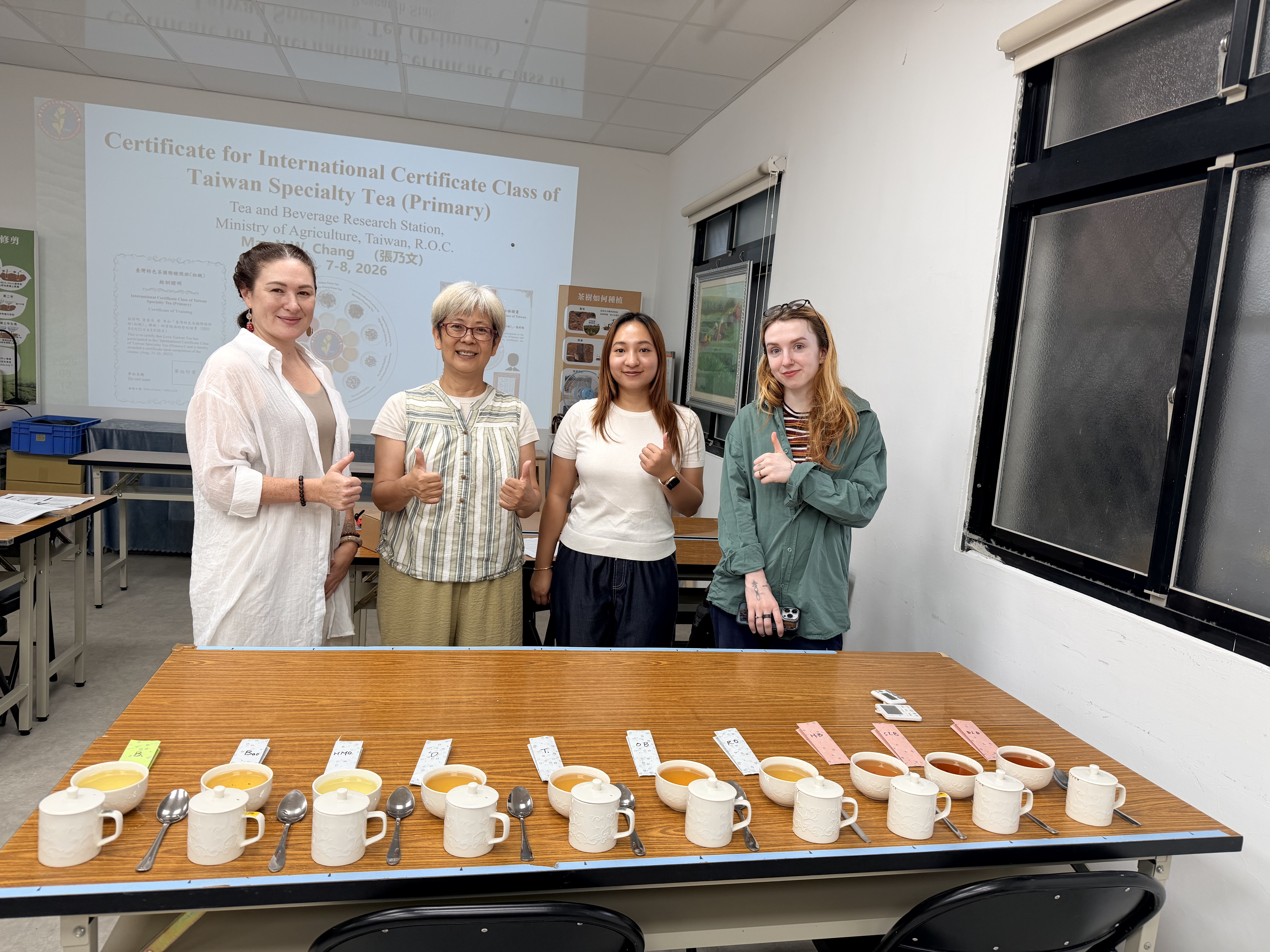
打卡點1
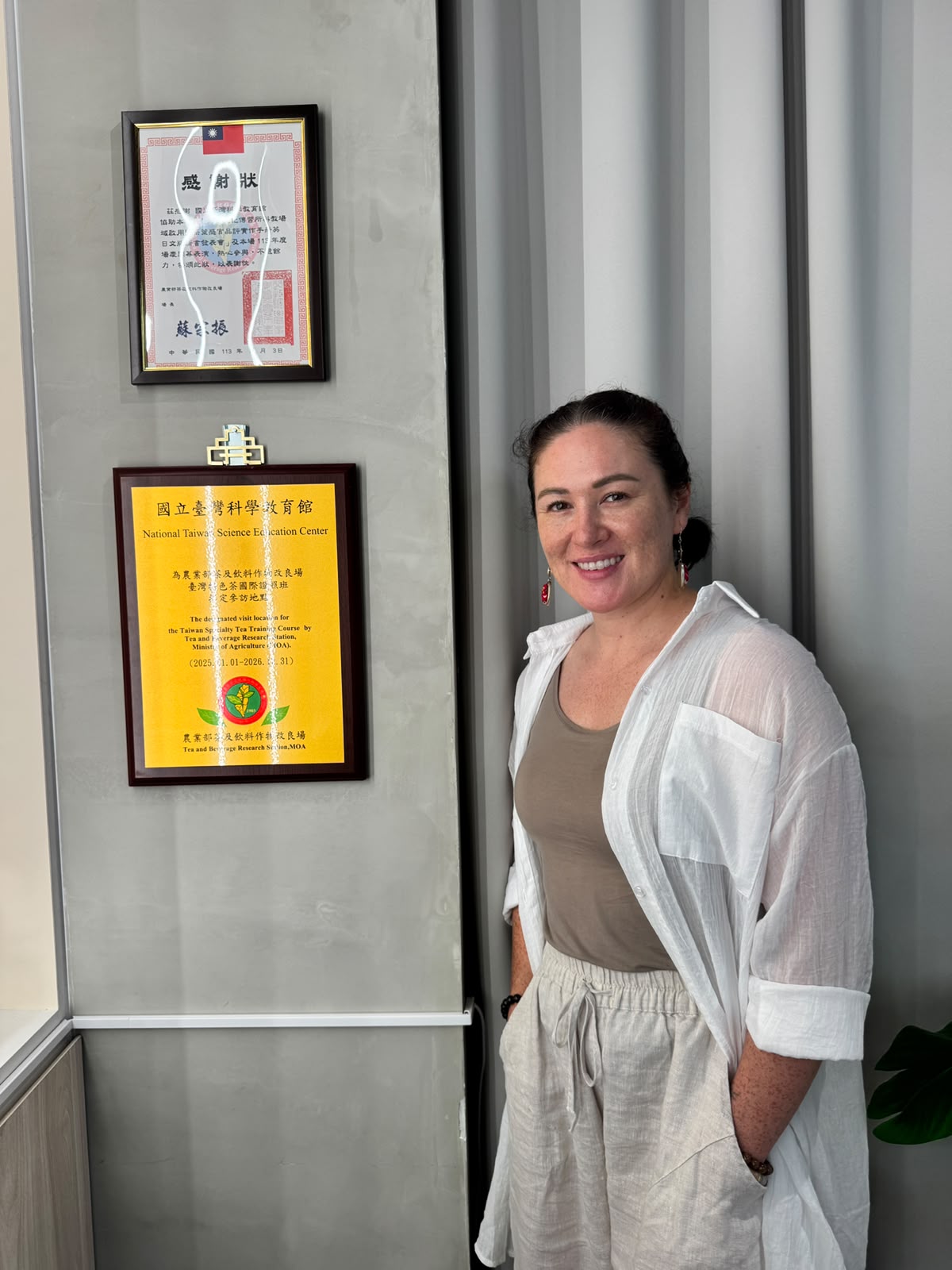
打卡點2