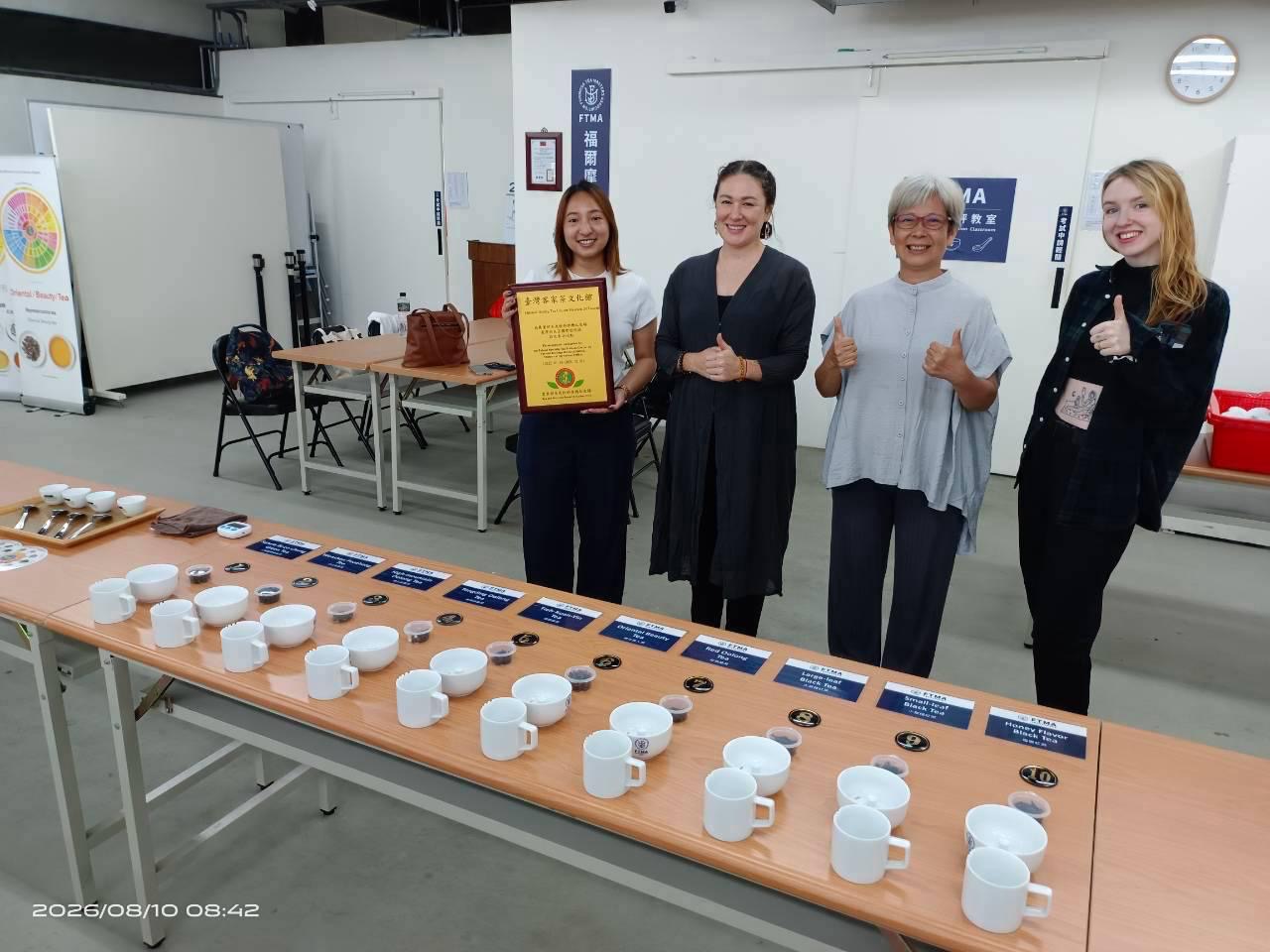
臺灣特色茶國際證照班
臺灣特色茶國際證照班
Certificate for International Certificate Class of Taiwan Specialty Tea
學員心得分享
Students’ Feedback Sharing
2026-IFTCL-49-10507
學員名稱Amy
心得感想
Taking the certificate for international certificate class of Taiwan speciality tea has been an honor. I loved learned about the detail information about Taiwanese tea that my family has been drinking for generations. As boba tea has been trending around the whole world, it made me want to learn about tea in a deeper way which I was able to do in this class. Being able to recognize which tea is what made me more confident and made me love Taiwanese tea even more. Learning all of this also made me want to share to the whole world about Taiwanese tea. However, as someone that has struggled with schooling and learning since I was young, I value in the quality of the materials of the classes I take. There were many inconsistencies between the PowerPoint and the exam questions. The simpler issues were the naming of the teas. 鐵觀音 in English is sometimes spelled Tie guan yin and sometimes spelled tieh kuan yin. 凍頂 is sometimes spelled Dong Ding and sometimes tong ding. 包種 is sometimes Baozhong and sometimes Paochong. By using one English spelling for these can enforce stronger and more clear learning for everyone. Another issue is the English used for 殺青. The PowerPoint used panning but I have also heard kill green within the industry. When my class visited National Taiwan Science Education Center, the poster information board used “fixation”. Personally I feel that fixation is the best term to explain 殺青. Also one thing that confused us was when saying 殺青 for green tea, the term used was “blanching” which is connected to using water. But from my understanding in class, no water is used for 殺青. All of these inconsistent terms would create a lot of confusion in the international Taiwanese tea industry. One of the bigger issues personally is the use of fermentation and oxidation. It was caused me to not fully understand what is happening in this step. I understand that fermentation is used more commonly and that only happened because the mandarin was incorrect from the start. I hope that moving forward, it can be more scientifically correct in English and mandarin by using oxidation. There was a question in the exam regarding TAGs evaluation report. In the PowerPoint it used the terms Deluxe, Premium, Choice. However, on Exam it used premium selection, selected, excellent, first choice. The question was asking which one is NOT a tea grade and the answer was “first choice”. This is contradicting and confusing because of the terms used. Another issue we saw was the question about which one is not a ball rolling machine used. This wasn’t explained on the PowerPoints and from my understanding this question focused more on understanding the mandarin terms and not English.
These are just some of the issues that I have noted down during my learning. Since the people who are usually taking this international class are the people who are bringing Taiwanese tea all over the world, I hope that the correct informations can be given to the rest of the world. Myself and many others taking this class would be so happy to partner/ volunteer our time to check and discuss what are the proper terms and ways to improve this education. I hope that we can work together to ensure accurate information is shared to the world. If this is possible, people contact me at amy.chu2201@gmail.com. My Line and phone number is 0986163991. I am looking forward to this opportunity.
These are just some of the issues that I have noted down during my learning. Since the people who are usually taking this international class are the people who are bringing Taiwanese tea all over the world, I hope that the correct informations can be given to the rest of the world. Myself and many others taking this class would be so happy to partner/ volunteer our time to check and discuss what are the proper terms and ways to improve this education. I hope that we can work together to ensure accurate information is shared to the world. If this is possible, people contact me at amy.chu2201@gmail.com. My Line and phone number is 0986163991. I am looking forward to this opportunity.
照片分享
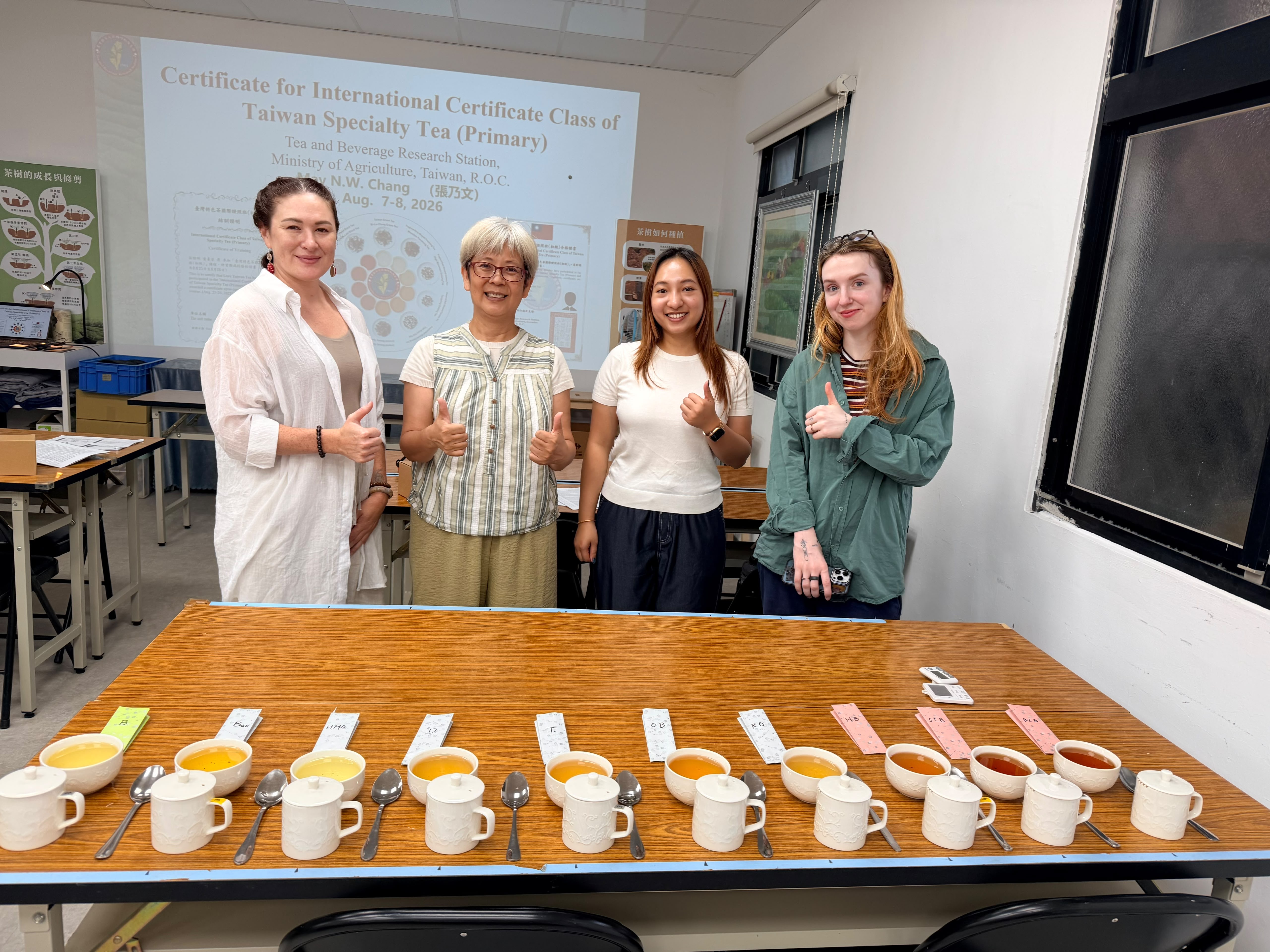
打卡點1
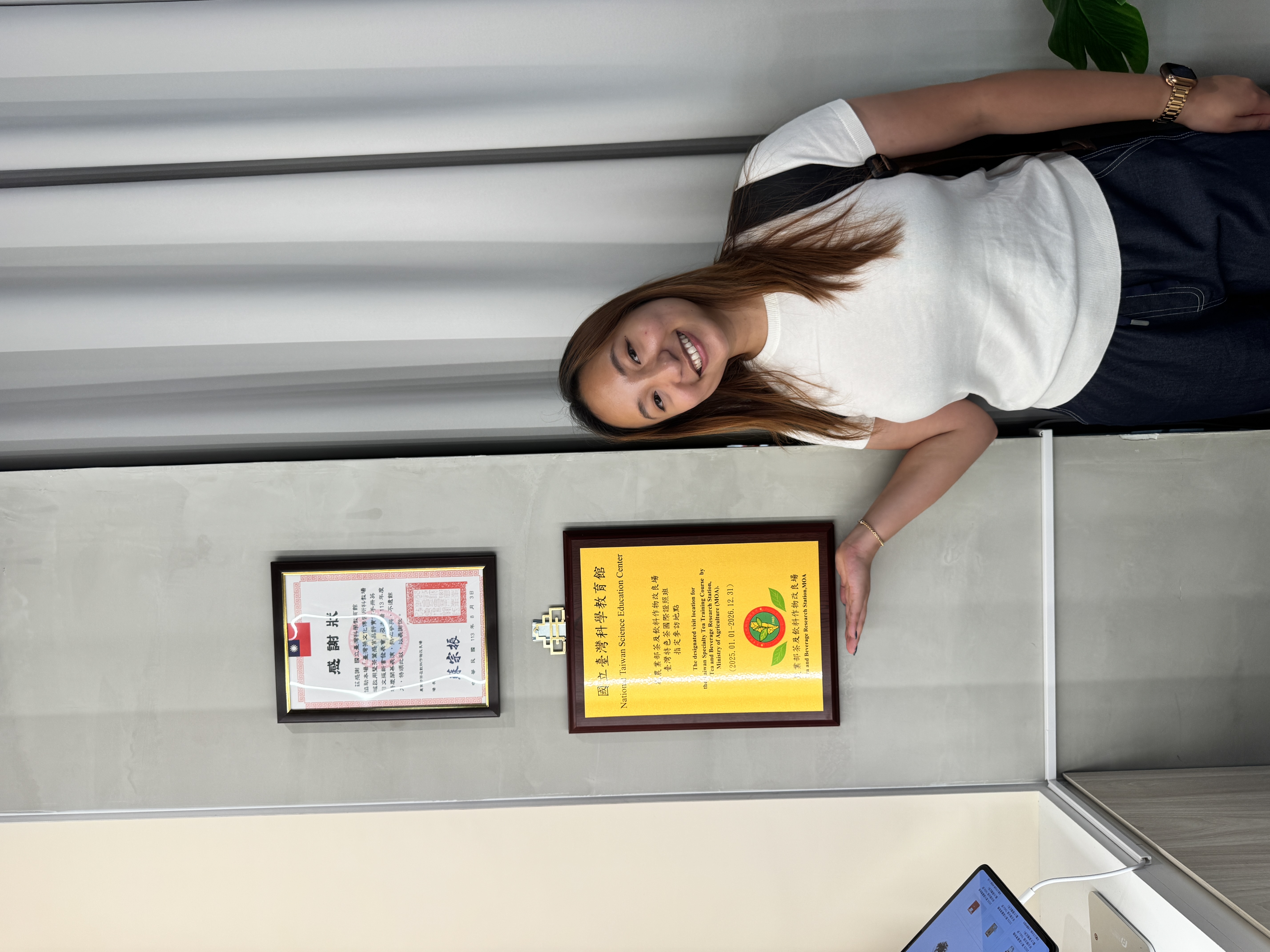
打卡點2